📖 5 min read · 957 words
2023 Masa Sivaratri Dates Every Month Pooja Masika Timings
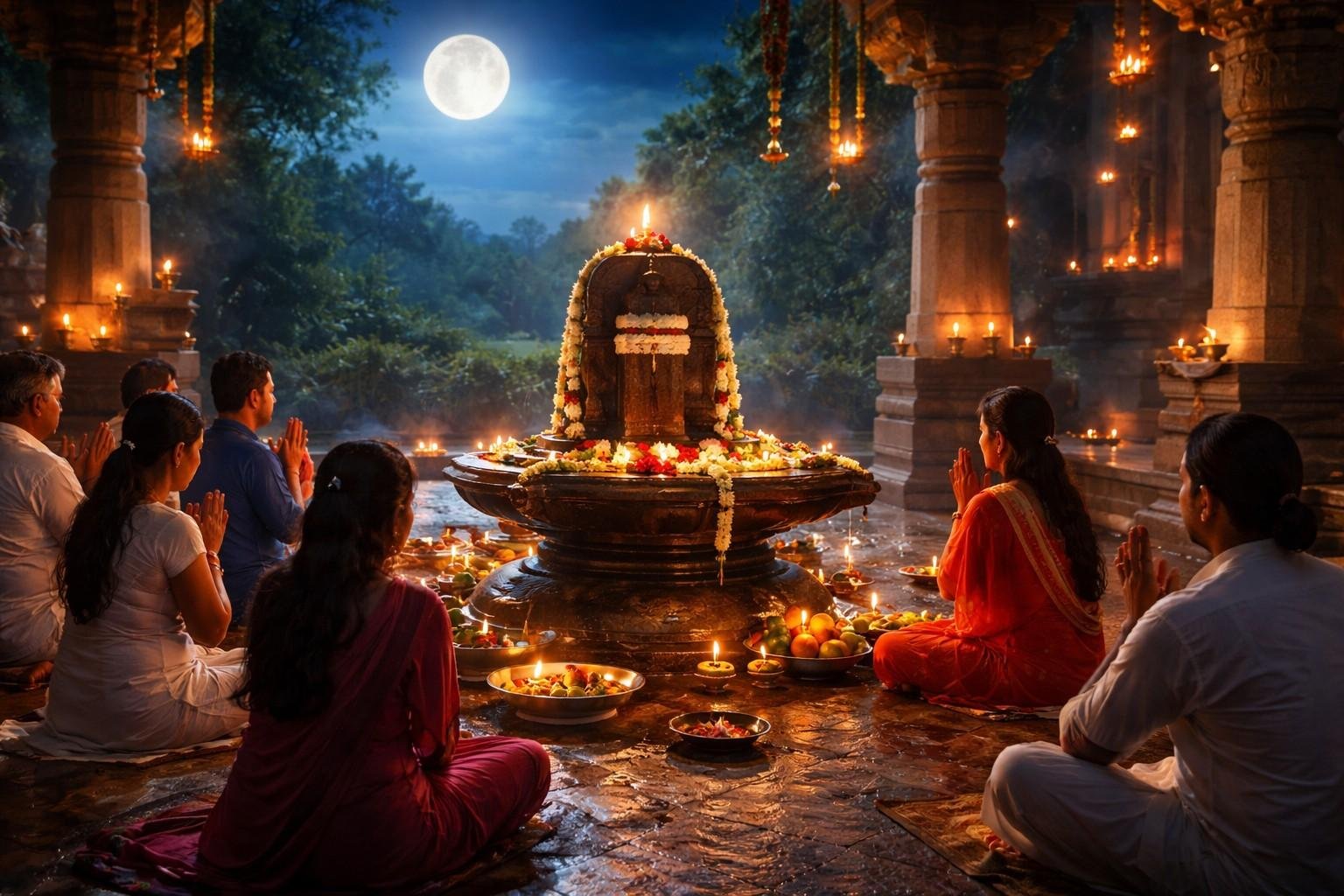
2023 Masa Sivaratri Dates refers to the monthly observance of Shivaratri — a sacred day dedicated to Lord Shiva — observed each lunar month on the Krishna Paksha Chaturdashi (13th night and 14th day) throughout the year 2023. Devotees mark this day with fasting, ritual worship and midnight puja for spiritual growth and blessings. Masika Shivaratri differs from the annual Maha Shivaratri, which falls once every year; the monthly observance offers regular opportunities for devotion and introspection.
What Is Masa Sivaratri?
Masa Sivaratri, also known as Masik Shivaratri or Monthly Shivaratri, occurs on the 13th night (Chaturdashi) and 14th day of Krishna Paksha (waning moon) in each lunar month according to the Hindu calendar. On this night, Lord Shiva is worshipped with prayers, music, fasting, and Shiva Abhishekam rituals. The term “Masika” literally means “monthly,” signifying that the observance happens twelve times a year.
Unlike Maha Shivaratri, which is celebrated with grandeur and widespread festivities, Masa Sivaratri focuses on personal devotion and discipline. Devotees fast, perform puja near midnight, chant mantras like “Om Namah Shivaya,” and offer fruits, flowers, milk and water to the Shiva Linga.
Why Masa Sivaratri Matters
For practitioners of Shaivism and many Hindu traditions, Masa Sivaratri offers monthly opportunities to reset spiritually. Devotees believe that observing this fast regularly invites inner peace, removes obstacles, fulfills wishes, and strengthens one’s spiritual process with Lord Shiva’s blessings. Rituals performed with discipline and sincerity are believed to promote mental clarity and emotional harmony.
2023 Masa Sivaratri Dates And Timings Table
The following table lists the 2023 Masa Sivaratri Dates along with approximate midnight puja timings as observed in India (new moon midnight Nishita Kaal). Timings vary slightly by location and temple tradition.
| Month | Date (2023) | Puja Timing (Approx Midnight) | Notes |
|---|---|---|---|
| January | Jan 20, Friday | 11:41 PM – 12:36 AM (Jan 21) | Magha, Krishna Chaturdashi |
| February | Feb 18, Saturday | 11:46 PM – 12:38 AM (Feb 19) | Phalguna, Krishna Chaturdashi |
| March | Mar 20, Monday | 11:41 PM – 12:29 AM (Mar 21) | Chaitra, Krishna Chaturdashi |
| April | Apr 18, Tuesday | 11:35 PM – 12:19 AM (Apr 19) | Vaishakha, Krishna Chaturdashi |
| May | May 18, Thursday | 11:34 PM – 12:14 AM (May 19) | Jyeshtha, Krishna Chaturdashi |
| June | Jun 16, Friday | 11:40 PM – 12:18 AM (Jun 17) | Ashadha, Krishna Chaturdashi |
| July | Jul 16, Sunday | 11:45 PM – 12:24 AM (Jul 17) | Sawan Shivaratri |
| August | Aug 14, Monday | 11:42 PM – 12:24 AM (Aug 15) | Adhika Masik Shivaratri |
| September | Sep 13, Wednesday | 11:31 PM – 12:17 AM (Sep 14) | Bhadrapada, Krishna Chaturdashi |
| October | Oct 13, Friday | 11:19 PM – 12:10 AM (Oct 14) | Ashwina, Krishna Chaturdashi |
| November | Nov 11, Saturday | 11:15 PM – 12:09 AM (Nov 12) | Kartika, Krishna Chaturdashi |
| December | Dec 11, Monday | 11:23 PM – 12:20 AM (Dec 12) | Margashirsha, Krishna Chaturdashi |
This table is compiled from multiple Panchang sources and should serve as a baseline for devotees, but exact temple timings may vary slightly by region and local calendar interpretation.
How To Prepare For Masa Sivaratri Puja
Preparing for Masa Sivaratri involves both physical and spiritual preparation. Here’s a step-by-step approach:
Step 1: Cleanse Body And Mind
Before the puja, begin with a bath and cleanse your body. Wear clean clothes and sit in a quiet corner of your prayer room. Set your intention to focus solely on the worship of Lord Shiva. Many devotees observe fasting on this day.
Step 2: Arrange Puja Materials
Set up the Shiva Linga or image, and arrange items such as water, milk, bel leaves (Bilva), flowers, fruits, incense and lamps. Traditional puja items reinforce your devotion and align with scripture recommendations.
Step 3: Perform Abhishekam And Prayers
Perform Abhishekam — ritual bathing of Shiva Linga — with water and milk. Offer bel leaves and chant mantras. You can recite “Om Namah Shivaya” at least 108 times or chant longer Shiva stotras. Focused chanting deeply enhances the sense of devotion.
Step 4: Midnight (Nishita Kaal) Puja
The most auspicious moment is the midnight puja known as Nishita Kaal. Perform the final round of Abhishekam and prayers exactly at midnight or during the indicated puja window from your local Panchang.
Step 5: Break Fast And Blessings
After midnight prayers, you can break your fast after sunrise or after completing all rituals. Distribute prasad (offered fruits/backed items) to family and friends. Offering bel leaves at sunrise is a fitting symbolic completion of the ritual circle.
Tips And Best Practices
- Check your local Panchang or temple calendar for exact Nishita Kaal timings specific to your city.
- Begin the ritual with a heart free from distractions — a calm mind enhances the spiritual experience.
- If fasting is difficult due to health reasons, maintain a devotional atmosphere and perform shorter puja while offering prayers for health.
- Attend temple puja if possible — community worship amplifies bhakti and collective energy.
Common Mistakes To Avoid
- Avoid incorrect timing — performing puja must align with the Chaturdashi Tithi and Nishita Kaal; otherwise, rituals may not hold full significance.
- Don’t skip basic cleansing or fasting unless medically advised — devotion is central to the observance.
- Avoid distractions — loud music or unrelated activities can detract from spiritual focus.
Frequently Asked Questions (FAQ)
What Is The Difference Between Masa Sivaratri And Maha Shivaratri?
Masa Sivaratri happens every month on Krishna Paksha Chaturdashi, whereas Maha Shivaratri is an annual major festival celebrated once a year with special rituals, large temple gatherings, and significant cultural observances.
Can I Observe Masa Sivaratri At Home?
Yes, Masa Sivaratri can be observed at home by following the puja steps and timings from your local Panchang. Many devotees practice this ritual privately with family.
Is Fasting Required?
Fasting is traditional but not mandatory — individuals who cannot fast due to health or age can still participate in prayer and puja with devotion.
Do Temples Have Different Timings?
Yes, temple puja or Abhishekam timings may slightly differ based on local calendar calculations or regional traditions. Always check with temple authorities.
At a local Shiva temple in March 2023 for Masa Sivaratri, the midnight bhajans and rhythmic chanting make the experience profoundly peaceful. This is why devotees across regions observe Masa Sivaratri with reverence.