7 Offbeat Destinations in India That Will Change Your Travel Game
offbeat destinations India to visit — discover hidden gems beyond the usual, with tips, itineraries & secrets.
Contents
- 1 Introduction
- 2 1. Spiti Valley, Himachal Pradesh
- 3 2. The White Desert, Kutch, Gujarat
- 4 3. Chandipur (Vanishing Sea), Odisha
- 5 4. Kaas Plateau, Maharashtra
- 6 5. Little Nicobar & Other Andaman Fringe Islands
- 7 6. Mawlynnong & Living Root Bridges, Meghalaya
- 8 7. Kinnaur’s Sangla Valley, Himachal Pradesh
- 9 How to Reach These
- 10 Best Time to Visit (Summary)
- 11 Local Cuisine & Food to Try
- 12 Where to Stay
- 13 Shopping & Souvenirs
- 14 Seasonal Travel Insights
- 15 Nearby Attractions You Can Combine
- 16 Travel Tips
- 17 FAQs
- 18 Conclusion
Introduction
offbeat destinations India — when you think of India travel, you probably picture the Taj Mahal, Jaipur palaces, Kerala backwaters. But the true soul of India often lies in places less traveled. In this post, journey with me through 7 offbeat destinations India that breathe raw beauty, local character, and stories untold.
1. Spiti Valley, Himachal Pradesh
Why Offbeat
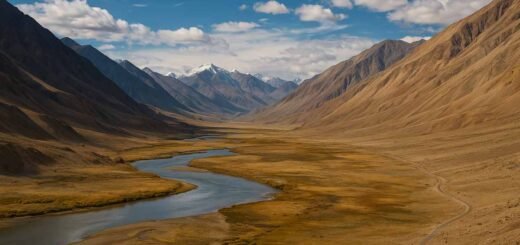
Spiti is a high-altitude cold desert, rugged and remote, where roads thin and silence reigns. It was recently declared India’s first cold desert biosphere reserve under UNESCO.
Highlights
-
Kibber, Kunzum Pass, Dhankar Lake
-
Pin Valley National Park
-
Buddhist monasteries (Key, Tabo)
When to Go
June to September — roads are open, weather tolerable.
Tips & Precautions
-
Acclimatize gradually
-
Carry warm clothes (nights get frigid)
-
Check road status; landslides possible
2. The White Desert, Kutch, Gujarat
Why Offbeat
A vast salt marsh that glistens white under the sun, almost surreal — like walking inside a mirage. It’s less visited compared to mainstream spots.
Highlights
-
Salt flats that stretch to horizons
-
Unique fauna (migratory birds in winter)
-
Nearby Rann Utsav festival during winter
When to Go
November to February — cooler months when salt crust is stable.
Tips & Precautions
-
Avoid midday heat
-
Protect your eyes (sunglasses)
-
Stay in villages nearby (Bhuj, Dhordo)
3. Chandipur (Vanishing Sea), Odisha
Why Offbeat
Twice a day, the sea recedes up to 5 km, revealing seabed you can walk on. It’s an odd natural phenomenon rarely seen elsewhere.
Highlights
-
Walk on exposed seabed
-
Local coastal cuisine
-
Nearby temples & rural life experience
When to Go
October to March (dry season)
Tips
-
Check tide timings
-
Wear comfortable water-proof shoes
-
Visit early morning or evening
4. Kaas Plateau, Maharashtra
Why Offbeat
Often called the “valley of flowers of Maharashtra,” this plateau bursts into a wildflower carpet during monsoon months. It’s a fragile ecosystem and receives controlled footfall.
Highlights
-
Spread of endemic flowers
-
Misty hillscape
-
Nearby waterfalls (Thoseghar)
When to Go
Late August to early October
Tips
-
Book weekdays (weekends get crowded)
-
Carry rain gear
-
Respect marked trails
5. Little Nicobar & Other Andaman Fringe Islands
Why Offbeat
Beyond Havelock or Neil, the smaller islands are rarely frequented. You get pristine beaches, dense forests, and near-zero tourist infrastructure.
Highlights
-
Untouched beaches
-
Snorkeling, coral reefs
-
Tribal & indigenous village visits (with careful respect to permissions)
When to Go
December to April (dry season)
Tips
-
Permits may be required
-
Stay minimal & self-sufficient
-
Respect local culture & environment
6. Mawlynnong & Living Root Bridges, Meghalaya
Why Offbeat
Mawlynnong is dubbed “Asia’s cleanest village,” and nearby Khasi hills hold the famed living root bridges — natural bridges made by community horticulture.
Highlights
-
Photogenic village scenes
-
Trek to root bridges in Nongriat, Umshiang
-
Scenic hills, waterfalls
When to Go
October to April — avoid heavy monsoon when bridges are slippery
Tips
-
Stay in homestays
-
Hire a local guide for bridging treks
-
Footwear with grip essential
7. Kinnaur’s Sangla Valley, Himachal Pradesh
Why Offbeat
Amidst deeply carved valleys and apple orchards, Sangla is less crowded than its Himalayan neighbors but offers equal majesty.
Highlights
-
Baspa River views
-
Chitkul village (last inhabited village before Tibet border)
-
Buddhist monasteries, rustic walks
When to Go
May to October
Tips
-
Carry altitude medicine
-
Permits for border zone may be needed
-
Connect via NH5 (Shimla → Narkanda → Rampur → Sangla)
How to Reach These
-
Spiti & Kinnaur: Via Shimla → Recong Peo → follow state roads (by road/train + local buses)
-
Kutch / White Desert: Fly to Bhuj (Gujarat) → road
-
Chandipur: Fly/drive to Bhubaneswar / Balasore → local transport
-
Kaas Plateau: By road from Satara / Mumbai / Pune
-
Andaman fringe islands: Flight to Port Blair → local ferry / permit routes
-
Meghalaya (Mawlynnong): Fly to Shillong → road to village
Best Time to Visit (Summary)
-
Spring–Autumn (March–October) for most Himalayan & plateau regions
-
Winter (November–February) for deserts (Kutch) & coastal phenomena (Chandipur)
-
Monsoon months (Aug–Sept) particularly for Kaas Plateau
Local Cuisine & Food to Try
-
Spiti & Kinnaur: Buckwheat rotis, apricot jam, local cheese
-
Kutch: Kutchi dabeli, bajra rotla
-
Odisha coastline: Fresh seafood, chingri, local fish curries
-
Meghalaya: Jadoh (rice & meat), local bamboo shoots
-
Andaman fringes: Fish, coconut-based recipes
Where to Stay
-
Homestays and guesthouses are the norm in offbeat spots
-
Simple lodges or community stays
-
In remote islands, camping may be allowed with permit
Shopping & Souvenirs
-
Handmade shawls, woollens in Spiti / Kinnaur
-
Salt art & handicrafts in Kutch
-
Village handicrafts in Meghalaya
-
Local marine crafts in Andaman fringes
Seasonal Travel Insights
-
For floral landscapes (Kaas) plan in monsoon window
-
For desert landscapes, winter timing gives clear visibility
-
For high altitudes, always check road opens/closures
Nearby Attractions You Can Combine
-
From Spiti: Lahaul, Zanskar circuits
-
From Kutch: Rann Utsav, Bhuj heritage tour
-
From Shillong: Cherrapunji, Dawki, Mawsynram
-
From Sangla: Shimla circuit, Reckong Peo
Travel Tips
-
Always carry permits & ID
-
Travel light — fewer luxuries in remote areas
-
Be respectful of local norms & environment
-
Pack for extremes — sun, rain, cold
-
Hire local guides wherever possible
-
Check mobile & network availability — often sparse
FAQs
Q1: Are offbeat destinations India safe for solo travelers?
Yes, with precautions. Local guides and staying within known routes help.
Q2: How many days should I allocate to each destination?
3–5 days minimum per spot, ideally 7 if combining nearby places.
Q3: Is altitude sickness a concern in Spiti / Kinnaur?
Yes — acclimatize gradually and avoid heavy exertion on day one.
Q4: Do I need permits for islands in Andaman?
Yes, especially for sensitive or restricted islands — check with local authorities.
Q5: What’s the best way to capture these places photographically?
Early morning / golden hour are best for landscapes. Use wide angle lens for vast vistas.
Conclusion
If you’re weary of the usual India itinerary, these offbeat destinations India offer fresh landscapes, cultural depth, and stories unspoiled by mass tourism. Pack your curiosities — the road less traveled awaits.
Continue exploring on Prayanamam.com — your gateway to unique travel tales.
Useful Links
Author:
Prayanamam
Poised to unearth hidden corners of the world, one offbeat path at a time.