📖 12 min read · 2,261 words
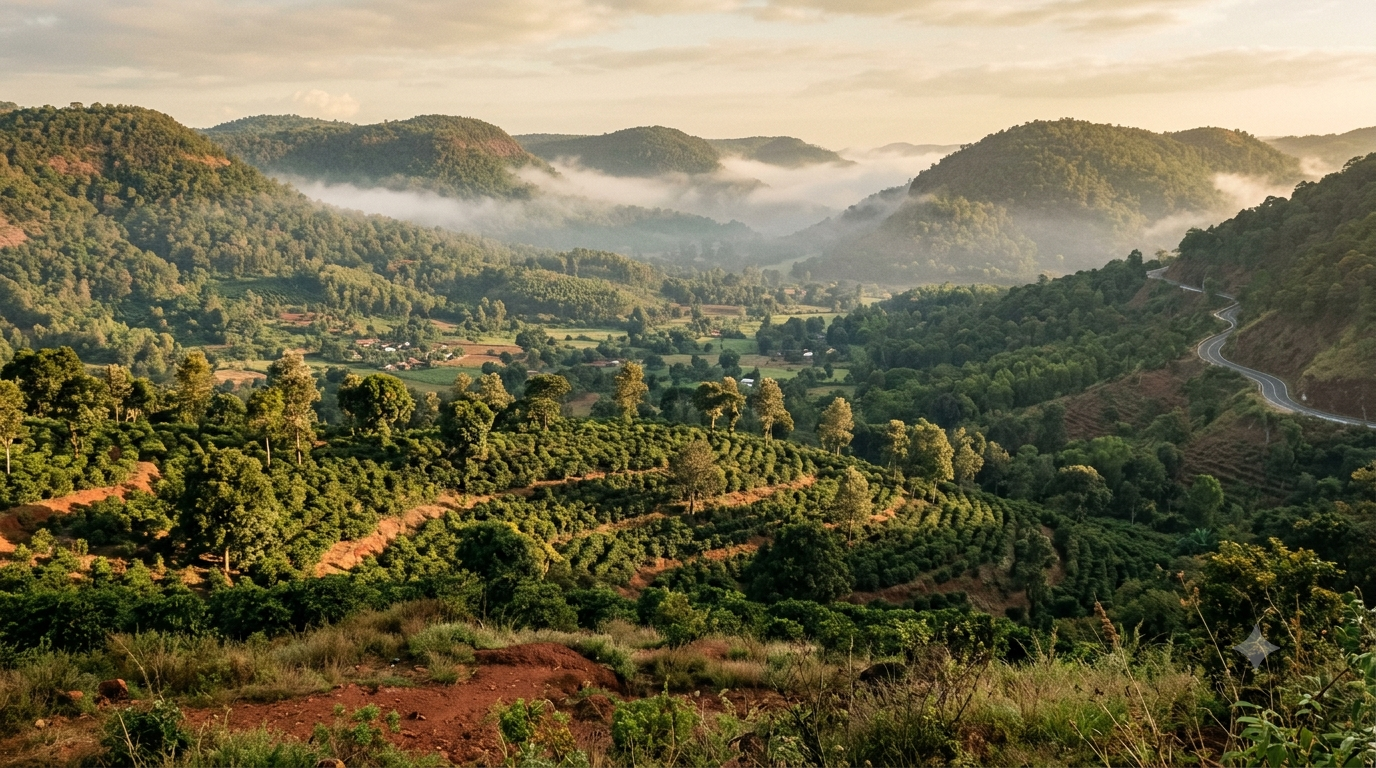
This Araku Valley travel guide opens with a correction. Most travel pages place the valley at 1,300 metres above sea level. Official Andhra Pradesh figures put it closer to 900 metres. That single number changes what you pack, so it is worth getting right before you book anything.
Araku sits in the Eastern Ghats of the Alluri Sitharama Raju district, about 114 km from Visakhapatnam. The rest of this page is built from state tourism, district administration and Indian Railways sources, then checked against what actually happens on the ground. Every figure in this Araku Valley travel guide is traceable to a named source.
Independence note: Prayanamam is an independent travel journal. We are not affiliated with Andhra Pradesh Tourism, APTDC, Indian Railways or any resort in Araku. We take no bookings, payments or donations. Use the official portals linked below for every reservation.
Araku Valley Travel Guide: Quick Facts Before You Book
- Location: Alluri Sitharama Raju district, Andhra Pradesh, in the Eastern Ghats.
- Altitude: roughly 600 to 900 metres across the valley floor, per Visakhapatnam district records.
- Distance from Vizag: about 114 km by road, 130 km by rail.
- Drive time: close to three hours through the Ananthagiri ghats.
- Best months: November to February, when nights can drop toward 5 degrees Celsius.
- Ideal stay: two nights, or one very long day if you take the morning train.
Andhra Pradesh Tourism describes Araku as Vizag’s favourite weekend getaway, and the crowds match that billing. So book stays and train seats well before you travel. Use this Araku Valley travel guide as a planning checklist rather than a booking page.
What Most Araku Valley Travel Guide Pages Get Wrong
Three errors repeat across almost every listicle about this hill station. Each one costs travellers either money or comfort.
The altitude is overstated
Blogs routinely claim 1,100 to 1,400 metres. The Visakhapatnam district administration records an average altitude between 600 and 900 metres for the valley. Andhra Pradesh Tourism puts the place at over 3,200 feet, which is roughly 975 metres.
Why it matters: Araku is pleasantly cool, not Ooty-cold, for most of the year. A light fleece handles October through March. You do not need heavy winter gear unless you are chasing a January dawn.
The train is not a separate tourist service
Many pages sell the “Araku glass train” as a dedicated luxury service. It is not. The panoramic Vistadome coaches ride as attached coaches on a regular Visakhapatnam to Kirandul passenger service on the Kottavalasa to Kirandul line.
That distinction matters when you book. You search for the passenger train on IRCTC, then choose the Executive Vistadome class, rather than hunting for a tourist train that does not exist.
Rail distance and road distance are different
The road runs about 114 km. The railway line curves through the hills for roughly 130 km, so the train takes around four hours while the drive takes three. Neither number is wrong, yet blogs mix them freely and travellers plan badly as a result.
Araku Valley Travel Guide: How to Reach from Visakhapatnam
Three routes serve the valley, and the table below compares them by real distance and honest travel time.
| Route from Vizag | Distance | Typical time |
|---|---|---|
| Road via Ananthagiri ghats | About 114 km | Close to 3 hours |
| Rail via Kottavalasa–Kirandul line | About 130 km | Close to 4 hours |
| Visakhapatnam airport to Araku | About 120 km | 3 to 3.5 hours |
By train through the Eastern Ghats
The daily Visakhapatnam to Kirandul passenger service leaves Vizag Junction in the early morning and reaches Araku about four hours later. Recent timetables show a 07:00 departure and an 11:00 arrival, though schedules shift, so confirm on IRCTC before you travel.
The line threads dozens of tunnels and bridges as it climbs. Executive Vistadome coaches carry glass roofs and rotating seats, and they sell out first. Book the moment the reservation window opens, since weekends fill quickly.
Andhra Pradesh Tourism adds a caution worth repeating. Even with confirmed tickets, compartments get very crowded on weekends and holidays. If you want photographs, the Vistadome premium buys you space as much as it buys you a view.
By road over the ghats
The drive climbs through the Ananthagiri Hills and passes several stops worth building into the day. Tyda comes first, with a forest camp run by APTDC. Borra Caves sits a short detour off the highway. Galikonda viewpoint arrives last, just before the road drops into the valley.
Hairpin bends are constant, so anyone prone to motion sickness should sit in front. Roadside stalls sell hot coffee and bamboo chicken along the way.
By air and by bus
Visakhapatnam airport is the nearest, about 120 km away. APSRTC buses run from Vizag, although they take longer than a private cab. Many visitors drive up and take the train back, which gives you both experiences in one trip.
Season by Season: An Araku Valley Travel Guide to Timing
Andhra Pradesh Tourism recommends November to February, when the temperature can fall to around 5 degrees Celsius at night. Those months bring clear mornings, mist in the valleys and comfortable walking weather. On timing, it is worth simply following the state recommendation.
The monsoon between June and September turns the hills intensely green and the waterfalls run full. Roads stay open, yet stone surfaces near falls become slippery. March to May stays far cooler than the coast, so it still works as an escape from Vizag heat.
Late January brings Araku Utsavam, the district’s tribal culture festival, and the hot air balloon festival has run in the same broad window in recent years. Dates are announced annually, so check the district and state tourism pages before you plan a trip around either.
Things to Do: An Araku Valley Travel Guide to Top Stops
Distances below come from official listings, because taxi quotes often assume a longer loop than the map suggests.
| Attraction | Distance from Araku | Time needed |
|---|---|---|
| Tribal Museum | 200 m from bus station | 45 minutes |
| Padmapuram Gardens | 2.5 km | 1 hour |
| Chaparai water cascade | 13 km | 1 to 2 hours |
| Ananthagiri | 26 km | 1 hour |
| Borra Caves | 36 km | 1 to 2 hours |
| Katiki waterfalls | 39 km | Half day |
Borra Caves
These karstic limestone caves formed where the Gosthani river cut into the rock, and the Geological Survey of India recorded them in 1807. Lit walkways run past stalactite formations that locals read as familiar shapes. Steps inside are steep and damp in places.
Coffee Museum and Tribal Museum
Araku coffee is the valley’s signature product, grown by tribal farmers under shade trees and exported widely. The Coffee Museum traces the crop from its origins to the Eastern Ghats and sells graded powder, chocolates and local crafts.
The Tribal Museum opened in 1996 and reconstructs the daily life of the communities living around Araku. It stands a short walk from the bus station, so it fits easily into an arrival afternoon.
Gardens, waterfalls and viewpoints
Padmapuram Gardens began in 1942 as a wartime vegetable farm before becoming a botanical garden with hanging tree cottages and a small train. Chaparai, also called Dumbriguda, spreads water thinly across flat rock and suits families. Katiki falls needs a proper walk down a forest path.
Araku Valley Travel Guide: Costs and Entry Tickets
Entry tickets at the museums and gardens are small, typically in the tens of rupees per adult, with separate charges for cameras and the garden train. Amounts change without notice, so treat any figure you read online as indicative and pay at the counter.
Vistadome fares move with dynamic pricing and generally land in the high hundreds to low thousands of rupees per person. Ordinary seating on the same train costs far less. Check the live fare on IRCTC rather than trusting a blog table. No Araku Valley travel guide can promise a fare that railways adjust daily.
How to Spot a Fake Araku Booking Website
This is where travellers lose real money. Several sites use names that echo AP Tourism, then route your “booking” through a WhatsApp message and a private payment. Some even carry a warning about fake websites while operating as unofficial agents themselves.
Two rules keep you safe. Government portals end in a gov.in domain, so the official APTDC hotel and package listings live on the state tourism site. Train seats exist only on IRCTC or at a railway counter, and no agent can hold a Vistadome seat for you.
If a page asks you to pay a person rather than a portal, close it. Remember that an Araku Valley travel guide is a reading page, never a payment page. Andhra Pradesh Tourism also lists authorised agents, so you can verify any operator claiming that status.
Safety Notes This Araku Valley Travel Guide Will Not Skip
Andhra Pradesh Tourism states plainly that walking alone around Araku after sunset is not advisable. Plan evenings around your stay, and keep taxi contacts from your hotel rather than the street.
The waterfall paths carry real risk. Rocks near Chaparai and Katiki turn slick during and after rain, and water levels rise fast in the monsoon. Wear shoes with grip, keep children within reach and skip the descent if the path looks washed out.
Mobile coverage thins outside the main town. Anyone with a heart condition or knee trouble should think twice about the Borra Caves stairs, since the climb toward the inner shrine is steep. Carry your regular medicines, because pharmacies here stock limited ranges.
What Beginners Get Wrong About Araku
Day trippers on the morning train reach Araku near 11:00 and must leave by mid afternoon. That leaves barely three hours, which covers one museum and lunch. Stay a night if you want the gardens, the caves and a waterfall.
Coming back by train after visiting Borra Caves is a small trick worth knowing. Borra Guhalu has its own station, so you can board there instead of returning to Araku town first.
Weekends and public holidays bring heavy crowds from Vizag. A Tuesday visit feels like a different valley altogether. For a comparison, the quieter village of Lambasingi in the same Eastern Ghats sees a fraction of the traffic.
Where to Stay: An Araku Valley Travel Guide to Rooms
APTDC runs Haritha properties in and around Araku, and private resorts sit among the coffee estates outside town. Rooms range from basic non-air-conditioned units to suites, and rates climb steeply during festival weekends. Tariffs stay off this page, because they move with the season.
Book government properties through the official Andhra Pradesh Tourism portal, and private stays through the hotel or a mainstream booking platform. We do not list private phone numbers or take reservations. Confirm cancellation terms in writing, since deposits are often non-refundable.
Before You Go
Araku rewards a slower plan than most itineraries allow. If one line of this Araku Valley travel guide sticks, make it that one. Two nights lets you ride the train one way, drive the ghats the other, and still spend an unhurried morning among the coffee slopes. Book the Vistadome coach early, pack a light layer for the mornings and verify every fare on an official portal.
If Andhra’s hills suit you, extend the trip along the Andhra Pradesh heritage trail or compare notes with our roundup of offbeat hill stations in South India and the wider guide to hill stations across India.
Your Questions, Answered by This Araku Valley Travel Guide
How far is Araku Valley from Visakhapatnam?
Araku is about 114 km from Visakhapatnam by road and roughly 130 km by rail. The drive takes close to three hours through the Ananthagiri ghats, while the train needs about four hours because the line curves through the hills.
Is the Araku Vistadome a separate train?
No. The Vistadome coaches attach to a regular Visakhapatnam to Kirandul passenger service. On IRCTC you select that train, then choose the Executive Vistadome class. There is no standalone tourist train on this route.
What is the best time to visit Araku Valley?
November to February is the window Andhra Pradesh Tourism recommends. Nights can approach 5 degrees Celsius, mornings stay misty and the walking weather is at its best. Monsoon months deliver the fullest waterfalls but slippery paths.
How many days does this Araku Valley travel guide suggest?
Two nights suits most travellers. One night works if you drive up early. A single day trip by train leaves only about three hours in the valley, which is too little for the caves, gardens and a waterfall together.
Can you book Vistadome tickets offline?
Yes, railway reservation counters sell them, though availability is usually poor by the time you arrive. Online booking through IRCTC opens well in advance and remains the reliable route, especially for weekend travel.
Is Araku Valley safe for families?
Generally yes, and it is a popular family destination. State tourism advises against walking alone after dark, and waterfall rocks demand supervision with children. Otherwise the town, museums and gardens are straightforward to navigate.
How high is Araku Valley?
District records put the valley between roughly 600 and 900 metres above sea level, and state tourism describes the place as over 3,200 feet. Claims of 1,300 metres circulate widely online but do not match official figures.
What should I buy in Araku?
Araku coffee is the obvious choice, sold in several grades along with coffee chocolates. Tribal handicrafts, bamboo work and local honey are also common. Buy from the museum shop or recognised outlets so that money reaches producers.
Which official sites does this Araku Valley travel guide recommend?
Use the Andhra Pradesh Tourism destination page for background, the APTDC hotel and package portal for government stays, IRCTC for train seats, and the Alluri Sitharama Raju district tourism page for local updates.