📖 5 min read · 884 words
Explore the hidden Himalayan trekking routes of Arunachal Pradesh, where pristine forests, remote valleys and spiritual villages await the adventurous traveller.
Hidden Himalayan Treks of Arunachal Pradesh
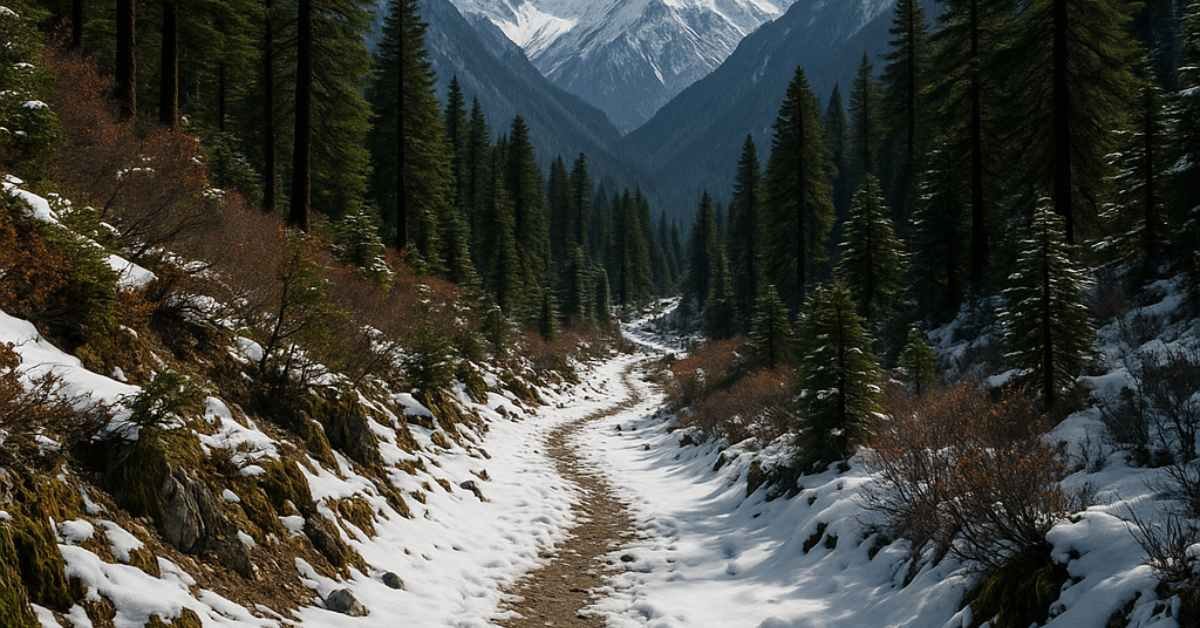
The hidden Himalayan treks of Arunachal Pradesh offer a raw, untouched frontier for trekkers seeking paths less travelled. In these remote regions, you’ll walk through dense forests, over high passes, across sacred valleys, and stay in villages untouched by tourism.
Quick Facts at a Glance
Location: Arunachal Pradesh, Northeastern India
Ideal Season: Late April to mid-October (avoid heavy monsoon)
Difficulty Levels: Moderate to challenging (requiring camping, river crossings)
Permits Required: Inner Line Permit + restricted area permits for certain zones
Best For: Experienced trekkers, wilderness lovers, those seeking spiritual & cultural immersion
Why Arunachal’s Hidden Treks Are Trending
While mainstream Himalayan treks in Uttarakhand, Himachal and Sikkim draw crowds, the frontier state of Arunachal Pradesh is increasingly gaining interest as an “offbeat Himalaya” destination. Its isolation, biodiversity, and tribal cultures make it attractive to travellers seeking unspoiled nature and authenticity.
As tourism trends in India tilt toward wellness, immersive local experiences, and eco-friendly stays, these lesser-known routes align well with what modern Indian travellers are searching for
Top Forgotten Trekking Routes in Arunachal
Here are a few routes that deserve attention:
1. Gorichen Base Trek via Tawang
- Starts from Tawang valley, passing through forests and alpine meadows.
- Offers views of Gorichen peak (6500+ m) and encounters nomadic yak herds.
- Requires good fitness, snow crossings, and camping gear.
2. Mechuka Valley to Siyom Valley Trail
- Connects tribal valleys, passing through dense rhododendron forests, waterfalls, and remote hamlets.
- A blend of cultural and wilderness trekking.
- Less infrastructure means you carry more supplies; local guides are essential.
3. Puro-Sagalee Circuit
- A loop trek around Puro and Sagalee hills in West Kameng district.
- Shorter duration (5–7 days) but steep and scenic, with panoramic views and forest wildlife.
- Great option for trekkers who want frontier trails without extreme altitude.
4. Ziro to Daporijo Trek (via Sangti / Siiro)
- Starts in the famous Ziro Valley (Apatani tribe land), then ascends into hills toward Daporijo.
- Combines tribal culture, forest trails, remote ridges, and river crossings.
- Best done in pre-monsoon or post-monsoon windows.
How to Plan & Prepare
Access & Travel Routes
- Most treks begin from Tawang, Ziro, Aalo, or Bomdila.
- Nearest airports: Tezpur (Assam), Itanagar (state capital), or LLP in Ziro (small aircraft).
- Road access may require rough mountain-roads and river fords.
Permits & Permissions
- Indian citizens need an Inner Line Permit (ILP) for certain districts.
- Foreign nationals need Restricted Area Permit (RAP); often processed via Arunachal Frontier Highway offices.
- For zones near Indo-China border, special clearance might be required.
Gear Essentials
- Lightweight camping gear (tent, sleeping bag rated for cold nights)
- Waterproof clothing, good trekking boots
- Water purification, first aid, trekking poles
- Food for at least extra 2–3 days, as resupply may not be guaranteed
Guide & Local Support
- It’s essential to hire local guides and porters—they know the terrain, language, and safety protocols.
- Engage with local tribal communities; ensure respectful and ethical interactions.
When to Visit & Seasonal Tips
- Spring to early summer (April to June): Rhododendron blooms, clearer trails
- Post-monsoon (September to October): Lesser rainfall, good visibility
- Avoid: July–August (heavy monsoon), deep winter (roads blocked by snow)
Be prepared for sudden weather changes, especially above 3,500 m, and always check local forecasts before departure.
Cultural & Spiritual Highlights Along the Trail
- Many tribal villages are animist or follow Buddhist traditions—expect to see prayer flags, mani walls, and sacred lakes.
- Traditional Apatani and Mishmi villages en route—respect their customs, ask before photographing, and purchase local crafts.
- Remote monasteries near Tawang (e.g. Tawang Monastery) can be integrated as acclimatisation or rest days.
Safety, Health & Responsible Travel
- Carry sufficient altitude sickness medication and a first aid kit.
- Register your trek plan with local forest or police stations.
- Use eco-practices: pack out all waste, avoid single-use plastics, respect local water sources.
- Travel insurance with helicopter evacuation cover is strongly recommended.
Suggested Itinerary (8-10 Days Example for Tawang–Gorichen)
| Day | Route | Highlights |
|---|---|---|
| 1 | Drive to Tawang | Acclimatisation, monastery visit |
| 2 | Tawang → start trek | Forest trail, camps |
| 3-6 | Trek through meadows & passes | Alpine views, snow crossings |
| 7 | Reach Gorichen base | Rest & photography |
| 8-9 | Return via alternate route | Villages, forests |
| 10 | Tawang → exit | Road journey to nearest access |
Adjust days depending on group fitness and weather conditions.
FAQs
Q: Are these treks safe for solo trekkers?
Not recommended. Because of remoteness, terrain difficulty, and permit logistics, travelling with an experienced local guide is safer.
Q: What is the average cost per trekper?
Expect ₹25,000 to ₹45,000 (approx) for a full trek including guide, permits, food, transport — depending on group size and route.
Q: Can I carry mobile network or internet?
Connectivity is extremely limited. Be prepared to be offline. Some villages may have intermittent network.
Q: Is altitude sickness a concern?
Yes — some routes cross 4,500 m or more. Proper acclimatisation and rest days are essential.
Useful Links
- Alipiri Mettu Srivari route details & steps Prayanamam
- Tirumala Luggage & prohibited items guide Prayanamam
- Arunachal Pradesh Tourism official site
- Indian Ministry of Home Affairs for permit info
- Himalayan trekking forums & maps
Author Block
Name: Prayanamam
Short Bio: A passionate trekker and writer exploring India’s hidden trails.
Updated Date: 1 October 2025