📖 6 min read · 1,012 words
Tulsi Vivah Puja Vidhan: Essential Rituals, Samagri & How To Buy PDF
Tulsi Vivah Puja Vidhan is a sacred Hindu ritual that celebrates the ceremonial marriage of the Tulsi plant (a form of Goddess Lakshmi) with Lord Vishnu in his Shaligram form. Performed every year in the Kartika month, this festival is believed to usher in prosperity, harmony, and auspicious beginnings for all household activities when observed with proper rituals and devotion.
What Is Tulsi Vivah Puja Vidhan?
Tulsi Vivah Puja Vidhan refers to the detailed set of rituals (धार्मिक विधि) and ceremonial steps that must be followed to conduct the marriage of Mother Tulsi and Lord Shaligram according to Hindu tradition. This ceremony symbolically marks the end of Chaturmas — a sacred period of four months when auspicious events like marriages are traditionally avoided — and opens the period for weddings and other joyful occasions.
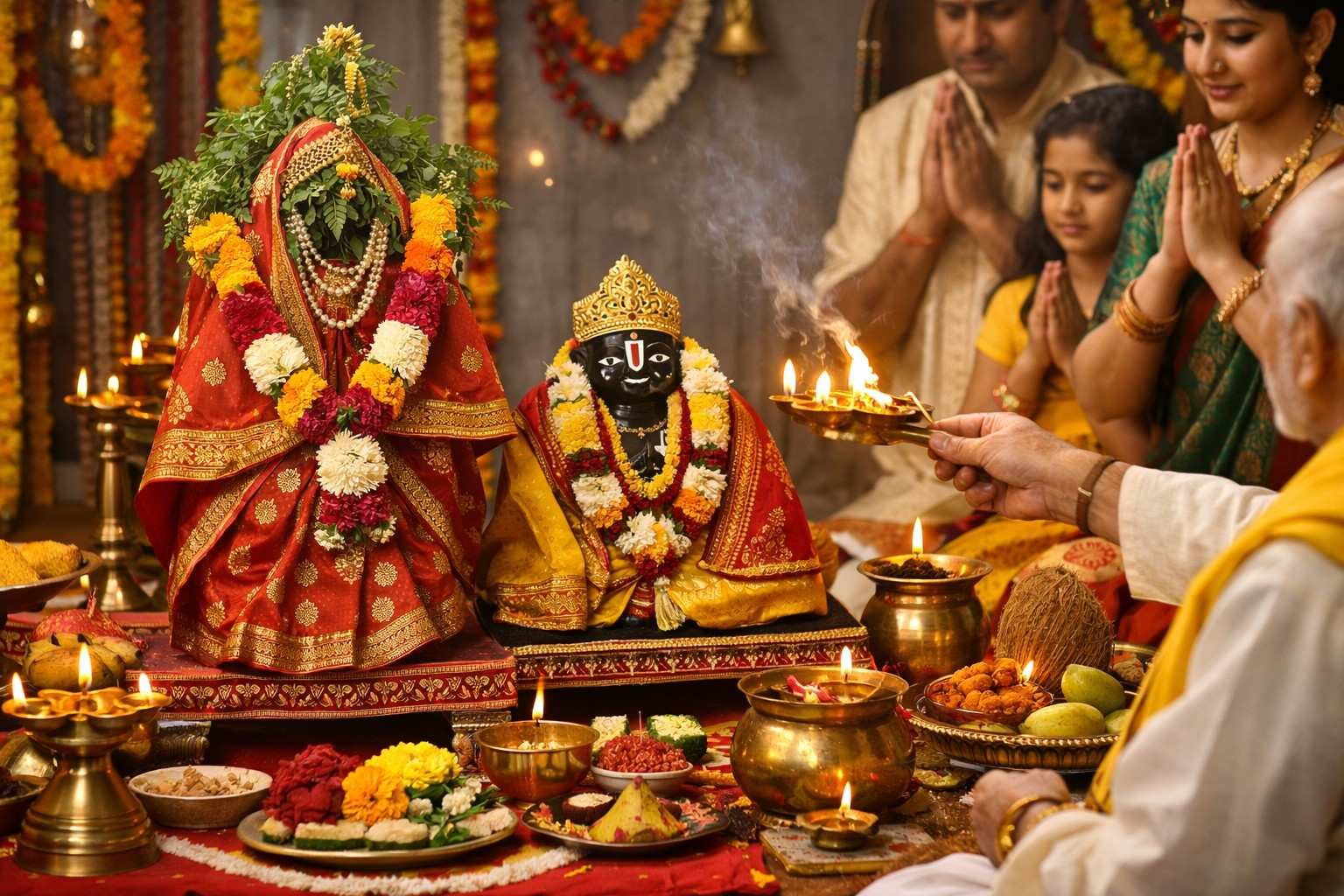
At traditional family gatherings during Tulsi Vivah in North India, the level of devotion with which each step is performed is striking — from cleaning the household and setting up a beautiful mandap, to dressing the Tulsi plant like a bride. This isn’t merely a ritual; it’s a spiritually charged community event that strengthens faith and unity.
Significance Of Tulsi Vivah In Hindu Tradition
Tulsi Vivah holds deep spiritual and cultural importance in Hinduism. According to mythology, Lord Hari (Vishnu) was pleased with the unwavering devotion of Goddess Tulsi (originally a woman named Vrinda) and granted her eternal union with him. Since then, devotees celebrate this bond annually to invite blessings of peace, prosperity, and positive energy into their homes.
On the other hand, the ritual is especially regarded as equivalent to “कन्यादान,” the sacred gift of a bride in Hindu weddings, and is believed to bestow similar spiritual merits on those who perform it.
Tulsi Vivah 2025: Dates & Auspicious Timing
In 2025, Tulsi Vivah Puja Vidhan is primarily being observed on 2 November 2025 (Sunday), coinciding with the Kartika Shukla Dwadashi tithi. According to the Hindu calendar, Devuthani Ekadashi falls a day before and marks the end of Chaturmas, making the subsequent Dwadashi tithi ideal for this ritual.
| Date | Day | Ritual |
|---|---|---|
| 2 November 2025 | Sunday | Primary Tulsi Vivah |
| 3 November 2025 | Monday | Alternate Considered |
Devotees can perform the ceremony during Dwadashi tithi, preferably in the evening or during auspicious muhurat times as suggested by priests or local pandits.
Step-By-Step Tulsi Vivah Puja Vidhan (Ritual Procedure)
Below is a simplified, step-by-step traditional ritual sequence to perform Tulsi Vivah Puja Vidhan at home:
1. Preparatory Cleansing
Wake up early and take a bath. Clean the house thoroughly — especially the pooja area where the Tulsi plant is kept.
2. Setting Up The Mandap And Altar
Place the Tulsi plant in a clean, sacred place. Use a small decorated wooden platform (chauki) for the plant and another for the Shaligram (or Lord Vishnu’s idol). Decorate the area using flowers, mango leaves, rice rangoli, and banana leaves.
3. Cleaning And Dressing The Deities
Pour Gangajal (holy water) on the Tulsi plant and Shaligram. Dress the Tulsi plant in a red cloth like a bride; adorn with sindoor, bangles, cilantro, and ornaments. Dress Shaligram with a fresh dhoti or cloth like a groom.
4. Offering Mantras And Sacred Materials
Chant Tulsi Vivah mantras. One traditional mantra often recited is: “ॐ श्री तुलस्यै नमः” while sprinkling Gangajal to purify the area.
5. The Wedding Ritual
Phere (circuits) are done by moving the Shaligram around the Tulsi plant seven times. Offer rice (अक्षत), turmeric paste, roli, and flower petals during each round. Conclude with aarti and distribution of prasad.
Tulsi Vivah Puja Samagri List (Materials Needed)
Here’s a detailed list of essential items you’ll need to perform the Tulsi Vivah Puja Vidhan properly:
| Item | Purpose |
|---|---|
| Tulsi Plant | Symbolic bride |
| Shaligram / Vishnu Idol | Symbolic groom |
| Gangajal | Purification |
| Rice (अक्षत) | Offerings and ritual use |
| Haldi & Roli | Tilak and blessing rituals |
| Flowers & Garland | Decoration and offerings |
| Red Cloth / Choornari | Dress for Tulsi |
| Fruits & Sweets (भोग) | Prasad |
| Diya and Incense | Light & fragrance in pooja |
| Kalash (holy pot) | Sacred symbol for auspiciousness |
This list is based on traditional practices prevalent in Hindu households during the festival.
How To Buy Tulsi Vivah Puja Vidhan PDF Online
If you prefer a ready-made, printable version of the ritual steps and materials list, you can download a PDF of the Tulsi Vivah Puja Vidhan. A reliable version available online is the “तुलसी विवाह पद्धति” PDF hosted by a traditional brahmin community site. (Download Tulsi Vivah Puja Vidhan PDF)
Printing this PDF and keeping it with your holy books for reference is recommended — especially if this is your first time performing the festival. It helps ensure that you don’t miss any key ritual steps or materials.
Tips For A Successful Tulsi Vivah Puja
- Perform a quick practice run of the steps a day before with family members to avoid confusion on the main day.
- Select a clean and quiet area for pooja — free from distractions.
- Get help from a local priest (पंडित) if you’re unfamiliar with Sanskrit mantras.
- Start rituals during muhurat times suggested by your local panchang or priest.
Common Mistakes To Avoid
- Forgetting to cleanse the house — this is an important first ritual step.
- Skipping any material from the samagri list — every item has symbolic meaning.
- Attempting rituals during inauspicious times — this affects the traditional belief of auspiciousness.
- Not arranging a mandap or ceremonial space — it’s seen as disrespectful to the divine union.
Frequently Asked Questions (FAQ)
What Is The Main Purpose Of Tulsi Vivah?
Tulsi Vivah symbolizes the divine marriage of Goddess Tulsi and Lord Vishnu. Performing the puja brings blessings for prosperity, harmony, and positive beginnings for the household.
Can Tulsi Vivah Be Performed At Any Time?
Traditionally, it’s performed during the Kartika Shukla Dwadashi tithi, particularly following Devuthani Ekadashi. However, the entire period until Kartika Pournima is considered auspicious for the ceremony.
Is It Mandatory To Have A Pandit For This Puja?
No — but having a knowledgeable pandit (हिंदू पुजारी) guide the ritual helps ensure the mantras and steps are performed correctly.
What Blessings Are Believed To Come From Tulsi Vivah?
Devotees believe it brings marital harmony, spiritual purification, prosperity, and removal of obstacles in family life.