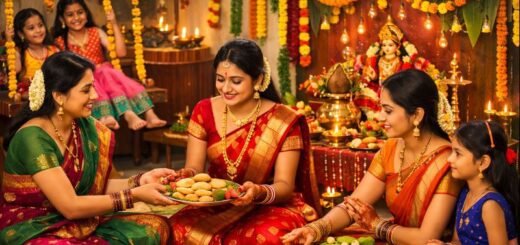
Navaratri Durga Ammavari Alankaram List In Telugu 2022
Contents
- 1 Navaratri Durga Ammavari Alankaram List In Telugu 2022 – Essential Nine Days
- 1.1 Navaratri Dates In 2022
- 1.2 Daily Navadurga Alankaram List With Significance
- 1.3 Colors To Wear During Navaratri
- 1.4 Step-By-Step Navaratri Alankaram Guide
- 1.5 Tips And Best Practices
- 1.6 Common Mistakes To Avoid
- 1.7 Frequently Asked Questions (FAQ)
- 1.7.1 Q1: What is the significance of Navaratri Durga Ammavari Alankaram?
- 1.7.2 Q2: Why do Telugu households follow specific colors during Navaratri?
- 1.7.3 Q3: Is Navaratri Alankaram different in Andhra Pradesh and Telangana?
- 1.7.4 Q4: Can I perform Navaratri puja at home without a priest?
- 1.7.5 Q5: What are the best naivedyam offerings for Navaratri?
- 1.7.6 Related
Navaratri Durga Ammavari Alankaram List In Telugu 2022 explains the traditional decoration (అలంకారం), forms of Durga Devi and rituals followed during the September–October Navaratri festival in 2022. This list covers the nine forms of the goddess worshipped daily, the specific dates observed in 2022 and detailed guidance for alankaram, puja, naivedyam and cultural practices across Telugu-speaking regions like Andhra Pradesh and Telangana.
Furthermore, navaratri (నవరాత్రులు) is one of the most revered Hindu festivals dedicated to Goddess Durga, celebrated with great devotion by observing nine nights of worship and rituals in every Telugu home and temple. During these days, devotees worship nine distinct forms of the goddess, each with its own significance, colors, decorations and offerings. Wikipedia Navaratri page details the festival’s background and customs in broader Hinduism.
On the other hand, in 2022, Navaratri started on Monday, 26 September with Ghatasthapana and concluded on Tuesday, 4 October, with Vijayadashami observed on 5 October. Understanding Navaratri Durga Ammavari Alankaram is essential.
| Day | Date (2022) | Form Of Devi |
|---|---|---|
| Day 1 | 26 September | Shailaputri |
| Day 2 | 27 September | Brahmacharini |
| Day 3 | 28 September | Chandraghanta |
| Day 4 | 29 September | Kushmanda |
| Day 5 | 30 September | Skandamata |
| Day 6 | 1 October | Katyayani |
| Day 7 | 2 October | Kalratri |
| Day 8 | 3 October | Mahalaxmi / Maha Gauri |
| Day 9 | 4 October | Siddhidatri |
These nine divine forms of Durga (Navadurga) are worshipped on successive days of Navaratri.
Day 1 – Shailaputri Alankaram
Shailaputri (శైలపుత్రి) literally means “daughter of the mountains.” She is worshipped on the first day as the embodiment of nature’s raw force and stability. In Telugu tradition, the idol or image is adorned with red or ochre cloth, kumkum, flowers and leaves that represent purity and strength.
However, common items for alankaram include: This relates to Navaratri Durga Ammavari Alankaram.
- Red silk / cotton cloth
- Fresh flowers (దీపం with jasmine / marigold)
- Kumkum (కుంకుమ) and turmeric (తుర్మరిక్)
- Naivedyam (offerings): Pulihora or panchakajjaya
When I visited a local temple during Navaratri 2022 in Vijayawada, the priests decorated the Murti of Shailaputri in a simple red silk saree with a dhwaja and fresh garlands. Devotees were instructed to chant the mantra “ॐ देवी शैलपुत्र्यै नमः” while applying kumkum and turmeric on the idol.
Day 2 – Brahmacharini Alankaram
Brahmacharini (బ్రహ్మచారిణి) symbolizes discipline, devotion and persistent effort. She is adorned with minimalistic white attire often with jasmine flowers around the neck to emphasize purity and focus.
Suggested alankaram setup: Learn more about Navaratri Durga Ammavari Alankaram.
- White saree or cloth
- Jasmine garlands
- Offer naivedyam like sugar candy or payasam
Tip: Try to keep the decoration calm and uncluttered — simplicity enhances the spiritual vibe of Brahmacharini puja.
Day 3 – Chandraghanta Alankaram
Chandraghanta (చంద్రఘంట) wears a crescent moon on her forehead and represents courage and bravery. Her alankaram uses vibrant yellow or orange silk that reflects energy and optimism.
- Yellow or bright cloth
- Marigold flower garlands
- Offer sweet boondi and fresh fruits
Day 4 – Kushmanda Alankaram
Kushmanda (కూష్మాండ) is known as the creator of the universe. The traditional alankaram includes auspicious colors like green and gold to reflect the breadth of cosmic energy.
- Green and gold cloth
- Fresh lotus garlands
- Rice kheer or sweet pongal as naivedyam
Day 5 – Skandamata Alankaram
Skandamata (స్కందమాత) is the mother of Lord Skanda (Kartikeyya). Her decoration includes soft blue or white cloth with flowers that signify maternal serenity.
- Blue / white saree
- Jasmine and blue lotus flowers if available
- Sweet products like laddus for naivedyam
Day 6 – Katyayani Alankaram
Katyayani (కాత్యాయనీ) is revered as the warrior goddess. She is worshipped for removal of fear and obstacles. Alankaram often features bold red or crimson hues.
- Crimson or deep red cloth
- Red hibiscus flowers (if locally available)
- Pulihora or coconut sweet for offering
Day 7 – Kalratri / Mahagauri Alankaram
Kalratri (కాళరాత్రి) and Maha Gauri are often worshipped around Day 7 and 8 with similar intensity. Kalratri’s fierce form is decorated with dark or black colors, whereas Maha Gauri’s gentle form uses white cloth with subtle gold ornaments.
- Black/ white cloth respectively
- Red flowers for Kalratri, jasmine for Maha Gauri
- Offer steamed rice and payasam
Day 9 – Siddhidatri Alankaram
Siddhidatri (సిద్ధిదాత్రి) is the granter of all supernatural powers (సిద్ధులు) and perfection. Her alankaram is traditionally done with bright yellow, orange or mixed festive colors.
- Bright festive cloth
- Mixed flower garlands
- Sweet boondi and panchamrit as naivedyam
In Telugu Navaratri celebrations, there’s a popular tradition of wearing specific colors each day aligned with the goddess’s energy and form. These colors help devotees feel spiritually aligned with the day’s form of Durga and improve devotional sentiments during puja. While multiple local lists exist, here’s a commonly followed color pattern:
- Day 1 – Red (Strength)
- Day 2 – White (Purity)
- Day 3 – Yellow (Joy)
- Day 4 – Green (Energy)
- Day 5 – Grey / Orange (Harmony)
- Day 6 – Red (Power)
- Day 7 – Turmeric Yellow
- Day 8 – Blue / Pink
- Day 9 – Purple / Peacock Green
This traditional color sequence helps structure devotional outfits and family celebrations throughout Navaratri.
1. Ghatasthapana Setup (ఘటస్థాపనం)
Begin by placing a kalasha pot with water, mango leaves and coconut, symbolizing Goddess Durga’s presence. Light an akhand jyoti (continuous lamp) beside the setup. This marks the spiritual beginning of the festival and should be maintained throughout Navaratri.
2. Clean And Prepare Puja Area
Clear the puja space and wash the floor. Arrange fresh flowers, rangoli, incense, diya and the idol or image of the goddess on a raised platform.
3. Dress And Decorate Daily
Each morning, wash the idol or picture with clean water, then perform the specific daily alankaram as listed above. Apply kumkum and turmeric before putting cloth and flower garlands.
4. Perform Aarti And Mantra Chanting
After alankaram, perform aarti with ghee or oil lamps. Recite the respective Navadurga mantra or shloka for the day. Many Telugu devotees also sing traditional Bhajans during this time.
5. Offer Naivedyam
Place the daily offerings (naanivedyas) before the goddess. After puja, distribute the prasadam among family members, neighbors, and especially to young girls (కుమారీలు) during Kanya Puja on eighth and ninth days.
Tips And Best Practices
- Use fresh flowers daily for alankaram — wilted flowers reduce the sanctity.
- Keep the puja area clean and free from distractions.
- Respect fasting rules if followed — many devotees fast or eat sattvic food.
- If decorating with lights (fairy lights), ensure electrical safety.
- Record your prayer times and mantras to maintain consistency.
Common Mistakes To Avoid
- Avoid using artificial or wilted flowers for alankaram — freshness reflects devotion.
- Don’t skip daily prayers — each day’s form of Durga has unique spiritual energy.
- Avoid loud music during puja — peaceful ambience enhances concentration.
- Don’t offer stale or spoiled food as naivedyam — it disrespects the ritual sanctity.
Frequently Asked Questions (FAQ)
Navaratri alankaram honors nine divine forms of Goddess Durga, each representing a spiritual attribute such as strength, purity, courage and wisdom. The ritual decorating of the idol reflects these attributes and strengthens devotion among worshippers.
The colors correspond to the goddess’s energy on each day and are believed to harmonize the devotee’s mind with divine vibrations, creating a deeply spiritual festival experience.
Basic forms and sequence of Navadurga remain the same. However, regional variations exist in naivedyam offerings, colors, songs, and cultural practices such as Bathukamma in Telangana.
Yes, many families perform Navaratri alankaram and puja at home with proper preparation, chanting mantras and offering prayers. Use a puja book or audio chants if you are unfamiliar with Sanskrit verses.
Traditional offerings include payasam, pulihora, laddus, sweet pongal and fresh fruits depending on the goddess form and family traditions.
Navaratri is a period of spiritual cleansing, introspection and devotion. Navaratri Durga Ammavari Alankaram List In Telugu 2022 provides the step-by-step structure and tradition to help devotees follow this ritual with sincerity and joy.