📖 6 min read · 1,176 words
Vaikunta Ekadasi Fasting Procedure Mukkoti Ekadashi Vidhanam
Vaikunta Ekadasi Fasting Procedure is the sacred set of rituals and fasting practices observed on the auspicious Vaikuntha Ekadasi, also known as Mukkoti Ekadashi or Swarga Vathil Ekadashi, dedicated to Lord Vishnu. This celebration falls on the 11th lunar day (Ekadashi tithi) of the Shukla Paksha in the Margashirsha/Margazhi month and is one of the most spiritually significant fasts in the Hindu calendar. Vaishnavas and devotees across India engage in fasting, meditation, and prayers to attain divine blessings and spiritual elevation on this holy day.
Understanding Vaikunta Ekadasi And Its Importance
Vaikuntha Ekadashi is celebrated as the day when the celestial gates of Lord Vishnu’s abode—Vaikunta—are opened for devotees. It is believed that observing a strict fast on this day grants spiritual merit equal to observing all other Ekadashi fasts of the year combined.
The observance is often called Mukkoti Ekadashi because, according to tradition, this single Ekadashi is believed to be equivalent in merit to three crore (30 million) Ekadashis. The day symbolizes liberation from the cycle of birth and death and the opening of the path to Vaikunta, the divine abode of Lord Vishnu.
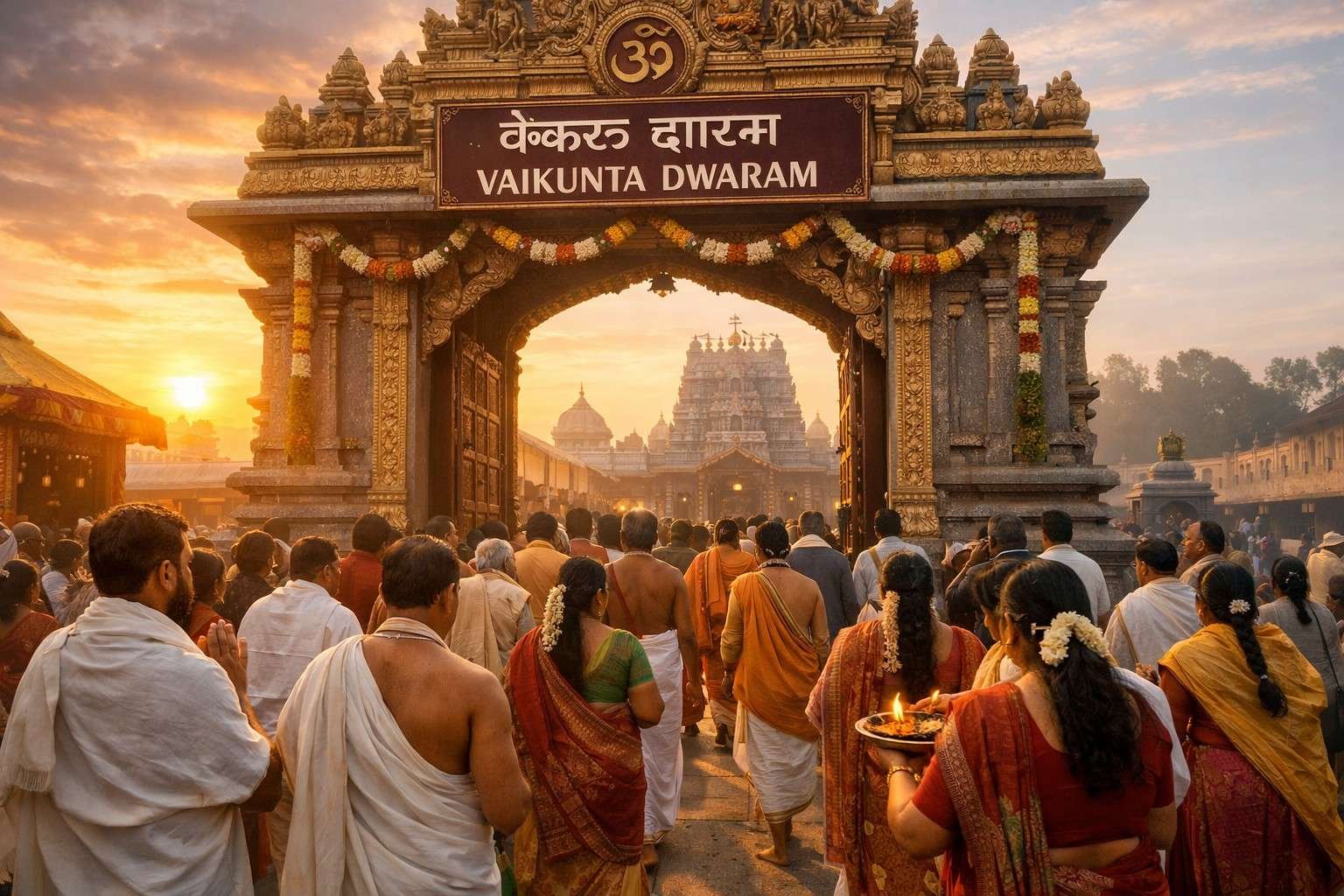
In temple traditions, particularly in prominent Vishnu shrines like the Sri Ranganathaswamy Temple in Srirangam and the Tirumala Venkateswara Temple, a special northern gate known as the Vaikunta Dwaram is opened only on this day. Passing through this gate is believed to confer moksha (liberation).
When Is Vaikunta Ekadasi Observed?
Vaikunta Ekadashi falls annually on the 11th lunar day of the waxing phase (Shukla Paksha) of the Margashirsha/Margazhi month in the Hindu calendar, usually between mid-December and mid-January of the Gregorian calendar.
For example, in 2025, Vaikunta Ekadasi was observed on December 30, and the Ekadashi tithi began at 07:51 AM and ended at 05:01 AM on December 31. Devotees fast and offer prayers during this period to maximize the spiritual benefits.
Vaikunta Ekadasi Fasting Procedure: Step By Step
1. Preparatory Rituals (Dashami)
The day before Ekadashi (Dashami), devotees should begin light preparations to ensure that their body and mind are ready for the fast. Some traditions recommend that no dinner be consumed after midday, reducing food gradually to ease the transition into fasting on Ekadashi itself.
This preparatory fasting helps ensure that the stomach is empty on Ekadashi day, aligning with the traditional principle of Ekadashi fasting.
2. Taking Sankalp (Vow) On Ekadashi Morning
On the morning of Vaikunta Ekadashi, devotees take a formal vow or sankalp to observe the fast with devotion. This includes reciting a prayer, chanting Lord Vishnu’s name, and expressing intent to observe the strict rules of the fast for spiritual merit.
3. Observing The Complete Fast
The central practice of the Vaikunta Ekadasi Fasting Procedure is a complete fast from sunrise to the following morning. Many devotees abstain from all food and water, especially those seeking deep spiritual discipline. Others may adopt a partial fast, consuming only fruits, milk, and non-grain ingredients.
Additionally, during this period, devotees engage in prayers, meditation, and sacred chants like the Vishnu Sahasranama and Hare Krishna mantra. Early morning meditation and japa are recommended, as this calm focus helps deepen the spiritual experience and aligns the mind with devotional intentions. At temple celebrations during this fast, the devotional atmosphere at dawn is profoundly moving.
4. Temple Visit And Vaikunta Dwaram Darshan
Many devotees choose to visit temples, especially those with a Vaikunta Dwaram, to receive blessings. Passing through the specially opened northern entrance of the sanctum is believed to symbolize entering Vaikunta and attaining liberation.
In major temples like Tirumala, special arrangements are made for Vaikunta Dwaram darshan, with extended opening periods and crowd management to ensure devotees can participate safely.
5. Breaking The Fast (Parana) On Dwadashi
The fast is traditionally broken on the following day, known as Dwadashi. This should be done after sunrise, within the Dwadashi tithi, and avoiding what is called Hari Vasara—the first quarter of Dwadashi.
Breaking the fast with wholesome foods like milk, fruits, and specially prepared non-grain dishes helps replenish energy. In many households, a simple yet nutritious meal like kheer made without grains is offered and shared with family members to conclude the fasting period.
What To Eat And Avoid During Vaikunta Ekadasi Fast
The dietary rules during Vaikunta Ekadasi originate from the traditional Ekadashi fasting guidelines. Non-grain, light foods like fruits, milk, dairy products, and non-grain flour items are permitted for those not observing a full dry fast.
Additionally, avoid rice, wheat, pulses, grains, meat, fish, onions, and garlic during the fasting period. Devotees seeking stricter discipline may also abstain from water.
Tips And Best Practices For A Successful Fast
- Plan Ahead: Reduce heavy food intake the day before to help your body adjust.
- Set Intentions: Take a ceremonial sankalp in the morning with clarity of purpose and devotion.
- Stay Hydrated: If observing only partial fast, drink plenty of fluids early in the morning.
- Meditate Early: Early morning japa and meditation improve spiritual focus and devotion.
- Avoid Harsh Activities: Refrain from arguments, harsh speech, and strenuous work to maintain inner peace.
- Break Fast Correctly: Ensure that you break the fast within Dwadashi tithi after sunrise.
Common Mistakes To Avoid During Vaikunta Ekadasi
- Eating Food In The Forbidden Period: Consuming grains or rice during Ekadashi invalidates the focus of the fast.
- Breaking The Fast Too Early: Ending the fast before sunrise or outside the permissible window can nullify its spiritual benefits.
- Skipping Meditation And Prayer: Fasting without devotional focus misses the essence of the observance.
- Strenuous Physical Work: Heavy physical tasks can drain energy and distract from the devotional intent.
Frequently Asked Questions (FAQ)
What Is The Spiritual Benefit Of Observing Vaikunta Ekadasi?
Observing the Vaikunta Ekadasi fast is believed to purify the body and mind, improve spiritual focus, and grant divine blessings. Devotees hold that fasting with devotion can lead to liberation (moksha) and entrance to Lord Vishnu’s celestial abode, Vaikunta.
Do I Need To Fast Without Water?
Complete fasting without water is practiced by some devotees seeking deeper discipline, but partial fasting with permitted fluids is also acceptable based on personal capacity and health conditions.
Can I Observe The Fast At Home?
Yes. If visiting a temple is not possible, you can perform the fasting and chanting rituals at home with sacred mantras, welcoming an idol or picture of Lord Vishnu, and dedicating sincere prayers. Preparation of a puja space and performing japa enhances the spiritual experience.
What Should Children Or Elderly Do?
Children and elderly may observe a lighter form of fast by consuming light, sattvic foods while participating in prayers and devotional activities. Always consider health conditions and consult a physician if necessary.
Reflections On Vaikunta Ekadasi
At the Vaikunta Dwaram of a major Vishnu temple during the festival, the devotion and calmness surrounding the fast are striking — devotees queue with quiet reverence, and everyone shares a profound sense of collective devotion. Starting the day before with gentle preparation is recommended to deepen focus and make the fast more spiritually meaningful.