Kanaka Durga Devi Navratri: Essential Kanaka Durga Devi
Contents
- 1 Kanaka Durga Devi Navratri Dasara Avatar All 9 Days Names
- 1.1 Introduction To Kanaka Durga Navratri Dasara
- 1.2 Why The Nine Avatars Matter
- 1.3 The 9 Days With Kanaka Durga Devi Navratri Dasara Avatar All 9 Days Names
- 1.4 How Navratri Is Celebrated At Kanaka Durga Temple
- 1.5 Tips For Worshipping Each Day
- 1.6 Common Mistakes To Avoid
- 1.7 FAQ About Kanaka Durga Devi Navratri Dasara Avatar All 9 Days Names
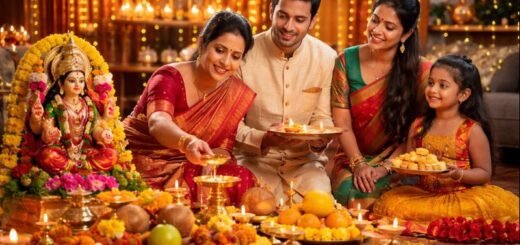
Kanaka Durga Devi Navratri Dasara Avatar All 9 Days Names is a sacred list that devotees of Goddess Durga, especially at the Sri Kanaka Durga Temple Official Website in Vijayawada, celebrate with profound reverence during the Navratri–Dasara festival each year. Navratri (meaning “nine nights”) honors the nine distinct manifestations of the Divine Mother, symbolizing her power to destroy negativity and grant blessings. During the capital festivities of Ashwin Navratri, devotees offer prayers, perform rituals, and observe personal vows to connect deeply with each avatar. This festival culminates in Vijayadashami (Dasara), marking the victory of good over evil through the Goddess’s triumph over Mahishasura.
The Navratri–Dasara celebration for Goddess Kanaka Durga is one of the most awaited holy periods in Andhra Pradesh and across India. It occurs in the lunar month of Ashwin (around September–October), and spans nine nights of dedicated worship, followed by Vijayadashami (Dasara). Navratri honors nine divine forms of Durga, each representing a unique aspect of Shakti—strength, wisdom, prosperity, courage and spiritual fulfilment.
At the renowned Kanaka Durga Temple in Vijayawada, the Goddess is worshipped with special alankaram (decorations) in various forms during Navratri–Dasara. This temple has a long spiritual history and traditions linked to ancient Vedic texts, making these nine days deeply meaningful for devotees. Understanding Kanaka Durga Devi Navratri is essential.
Why The Nine Avatars Matter
The number nine carries spiritual significance in Hindu tradition. It represents completeness and divine power. Each day of Navratri, the Goddess assumes a form that emphasizes certain virtues and divine blessings.
Devotees focus their prayers on these attributes to invite those energies into their lives. By understanding each avatar’s qualities, worshippers can tailor their prayers and offerings for specific spiritual benefits.
Here’s a detailed list of the nine forms worshipped during Navratri, reflecting the traditional Navadurga sequence that is honored across temples like the Kanaka Durga Temple in Vijayawada: This relates to Kanaka Durga Devi Navratri.
| Day | Avatar Name | Main Significance |
|---|---|---|
| 1 | Shailaputri | Symbolizes strength, rooted in nature and purity. |
| 2 | Brahmacharini | Represents penance and devotion. |
| 3 | Chandraghanta | Embodies courage and grace. |
| 4 | Kushmanda | Giver of light and cosmic creation energy. |
| 5 | Skandamata | Mother of Skanda (Kartikeya), symbol of maternal love. |
| 6 | Katyayani | Warrior form, destroys demons. |
| 7 | Kalaratri | Fierce form removing ignorance and fear. |
| 8 | Mahagauri | Shining with spiritual purity. |
| 9 | Siddhidatri | Bestows siddhis (spiritual powers) and fulfilment. |
This traditional Navadurga sequence captures the evolving facets of the Divine Feminine as she progresses from pure strength and devotion to ultimate spiritual attainment.
During Navratri–Dasara, the Kanaka Durga Temple on Indrakeeladri hill becomes a focal point of devotional activity. Devotees from across India visit to witness the Goddess adorned in different alankaram—each day featuring a unique divine manifestation. The temple organizes special pujas early in the morning and evening rituals, and there are cultural programs that accompany the festive spirit.
Typically, the nine-day schedule is as follows: Sri Bala Tripura Sundari Devi on the first day, followed by Sri Gayatri Devi, Sri Annapurna Devi, Sri Lalitha Tripura Sundari Devi, Sri Saraswati Devi, Sri Mahalakshmi Devi, Sri Durga Devi, and finally forms like Sri Mahishasura Mardini and Raja Rajeswari Devi appear as celebratory manifestations. These may vary slightly based on traditional lunar calendars and tithi adjustments at the temple. Learn more about Kanaka Durga Devi Navratri.
When I Visited The Temple
When I visited the Kanaka Durga Temple during Navratri one year, the energy was electrifying. Devotees queued early in the morning to catch the first glimpse of the Goddess’s daily alankaram. What surprised me was the precision and artistry with which each avatar was represented—delicate jewelry, specific colors, and symbolic ornaments that reflected centuries-old rituals.
The experience made me deeply appreciate how each form of Durga is not just an image, but a lived spiritual connection. I personally recommend attending at least one day during Navratri to feel the divine presence firsthand.
Tips For Worshipping Each Day
Worship during Navratri isn’t just about visiting the temple; it’s about intention and focus. Here are some helpful tips:
- Begin each day with a clean heart and a simple prayer inviting the day’s avatar into your life.
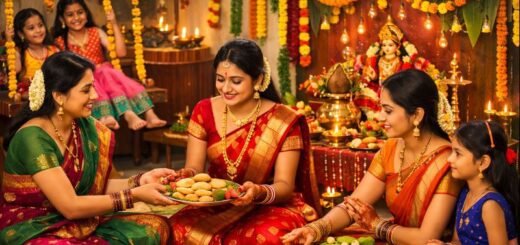
- Offer fresh flowers and a small fruit or prasadam (sweet offering) after a short meditation.
- Recite or listen to the corresponding chandi path or mantra for each form.
- Dress in traditional attire or colors associated with the day’s avatar, if possible.
- Maintain a spiritual journal to note how each day’s prayer affects your mindset.
Common Mistakes To Avoid
Even sincere devotees can make errors during Navratri observances. Here’s what to avoid:
- Skipping the morning puja—this sets the intention for the entire day.
- Offering food that is not freshly prepared for prasadam.
- Focusing on external rituals without inner reflection.
- Missing the temple auspicious hours (pradosh or brahma muhurta).
- Comparing your experience with others instead of focusing on your personal devotion.
Navratri dates vary each year based on the lunar calendar. In 2025, Sharad Navratri ran from September 22 to October 2. For accurate dates, consult the temple’s official calendar or local panchangam.
Why Are Nine Forms Worshipped?
The nine avatars symbolize stages of spiritual evolution and divine qualities from physical strength to ultimate wisdom. Worshipping them helps devotees invite these virtues into their lives.
Yes. Navratri is open to anyone seeking peace and inner strength. Respect for rituals and temple customs enhances the experience.
Do The Avatars Differ By Region?
Traditional Navadurga names are widely accepted, but some temples, like Kanaka Durga Temple, add unique local alankarams or additional forms based on tradition and tithi adjustments.
Is There A Special Naivedyam For Each Day?
Yes, many devotees prepare a specific prasadam for each day of Navratri, designed to the qualities of the day’s avatar. This practice varies by family tradition and temple custom.