📖 5 min read · 943 words
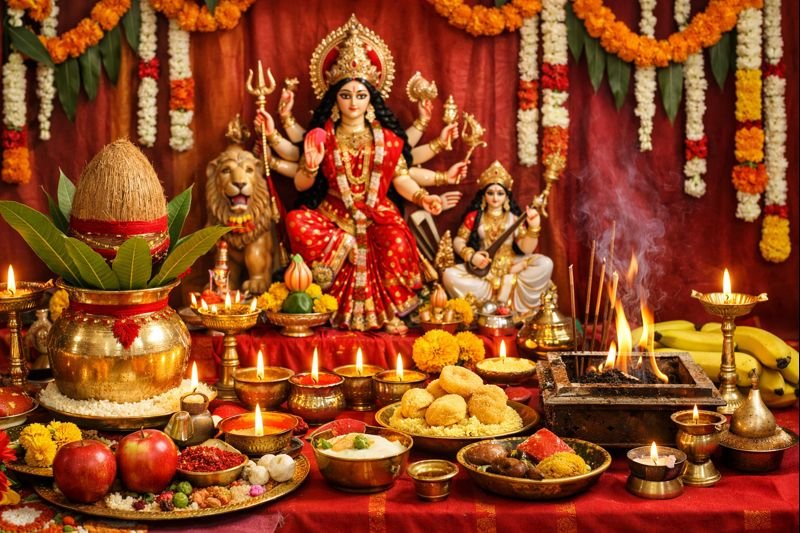
Navratri Puja Samagri List is your essential reference for preparing the correct items required to worship Durga Devi at home during Navratri and Dasara. Navratri — the nine nights of devotion and celebration dedicated to Goddess Durga — involves specific rituals and items that must be ready before the festival begins.
During Shardiya Navratri 2025 (beginning 22 September and ending 1 October), households across India perform Kalash Sthapana (establishing the sacred pot to invite the goddess), followed by daily puja and offerings.
Navratri is a Hindu festival dedicated to the worship of Goddess Durga and her nine divine forms over nine consecutive days. Each day involves rituals, chanting mantras, and offering devotional items that carry symbolic and spiritual value. Performing the puja with a complete samagri list ensures that no essential item is missing, helping devotees carry out each ritual with devotion and spiritual focus.
In Hindu tradition, missing a important puja item could interrupt the spiritual rhythm of the ritual, even if the devotee’s intent is sincere. That’s why this Navratri Puja Samagri List will guide you step-by-step to plan and prepare effectively.
Setting Up The Puja Space At Home
Puja Altar Placement
Choose a clean, quiet part of your home — ideally in the north or east direction. Spread a fresh red or yellow cloth (colours auspicious for the goddess). Place the idols or framed images of Goddess Durga centrally.
Clean And Purify
Start by sweeping the puja space and sprinkle Ganga Jal or clean water to sanctify it. Some families also chant a cleansing mantra before placing any items.
Below is the full checklist of items you’ll need for Navratri puja rituals including Durga Devi worship at home. Items are grouped by purpose to make shopping and preparation easier.
| Category | Items Required |
|---|---|
| Puja Base Items | Kalash (copper/metal pot), Coconut, Mango Leaves, Holy Water (Ganga Jal or clean water), Clean cloth for altar |
| Offerings (Bhog/Naivedya) | Fruits (banana, apple, etc.), Panchmeva (nuts), Sweets (laddoo, kheer), Cooked rice, Milk, Curd |
| Tilak & Ritual Powders | Kumkum (red powder), Roli, Haldi (turmeric), Chandan (sandal paste), Akshat (uncooked rice) |
| Lights & Fragrance | Deepak (clay/metal lamp) with ghee/oil, Incense sticks, Camphor, Bell |
| Decor & Flowers | Fresh flowers (especially red & yellow), Flower garlands, Rangoli colors, Decorative toran |
| Sacred Items | Sindoor (vermilion), Betel leaves and supari (betel nuts), Tulsi leaves, Panchpatra |
| Havan/Yajna | Havan kund, Wood sticks, Ghee for havan, Guggal/Loha sticks |
| Shringar (Adornment) | Chunri (red cloth), Fresh clothes for deity, String of bells, Decorative jewelry for idol (optional) |
This list is compiled from traditional Navratri worship practices observed across India.
Step 1: Ghatasthapana (Kalash Sthapana)
Ghatasthapana, also called Kalash Sthapana, is performed on the first day of Navratri to invoke Goddess Durga into your home altar. Place a Kalash filled with water, top it with mango leaves and a coconut, and cover the base with soil or rice.
Step 2: Daily Ritual Routine
Every morning, wake early, take a bath, and light the lamp. Offer flowers, incense, and apply tilak to the deity. Daily aarti is performed before sunrise and after sunset. Offer bhog (food offerings) and recite prayers or mantras dedicated to the specific divine form of Durga for that day.
Step 3: Make Naivedya (Food Offering)
Cook simple vegetarian food without onions and garlic (optional based on tradition) and offer it to the deity. Offer fruits, sweets, and nuts for blessings. Set aside a portion of the bhog for family consumption.
Step 4: Havan (Optional)
If you plan a havan, do it on the day of Navami (ninth day) for spiritual culmination. Use ghee, guggal, and wood in a small fire pit (havan kund) while chanting mantras. This ritual symbolizes purification and divine connection.
- Start Early: Collect all items at least a week before Navratri starts to avoid last-minute rush.
- Fresh Flowers: Use fresh flowers daily; they are believed to attract divine energy.
- Cleanliness: Clean the puja area twice daily — before morning and evening rituals.
- Designated Space: Keep the puja altar undisturbed throughout the nine days.
- Respect Traditions: Follow your family’s customs — regional differences may add more items such as specific fruits or colored clothes for deity.
- Not completing the full samagri list before starting.
- Using artificial flowers instead of fresh ones.
- Forgetting to prepare the Kalash properly — absence of mango leaves or coconut can be considered incomplete by many traditions.
- Ignoring daily cleaning of the altar space.
- Performing rituals in haste without devotion.
Frequently Asked Questions (FAQ)
The Kalash symbolizes the presence of the goddess and abundance. It is the central piece for Ghatasthapana.
Yes. Havan is optional for home puja. The daily offerings, prayers, and aarti are sufficient for most households. The focus should be devotion and ritual purity.
Fasting is a personal choice. Some devotees fast fully, others partially or not at all. Choose practices based on your health and family traditions.
Where Can I Learn The Mantras For Each Day?
Mantras and worship sequences can be learned from trusted religious texts or from your local temple priest.
Useful Resources
For more on Navratri traditions and history, see Wikipedia on Kanya Puja, a ritual performed during Navratri. Detailed puja schedules and timings can be checked through your local temple calendar or online Hindu Astrology sources.