📖 5 min read · 867 words
Labh Panchami Puja Vidhi: Easy Home Ritual with Samagri List
Labh Panchami Puja Vidhi is a sacred ritual observed on the fifth day of the Shukla Paksha in the Kartik month, primarily celebrated by Gujarati and business communities. This day marks the culmination of Diwali festivities and is considered highly auspicious for seeking blessings of prosperity, success, and knowledge. Performing the Labh Panchami Puja Vidhi at home is both meaningful and manageable with the right guidance and materials. For more details, check the NSDL PAN.
For detailed information on Labh Panchami, you can refer to the GaneshaSpeaks Labh Panchami Guide.
Significance of Labh Panchami
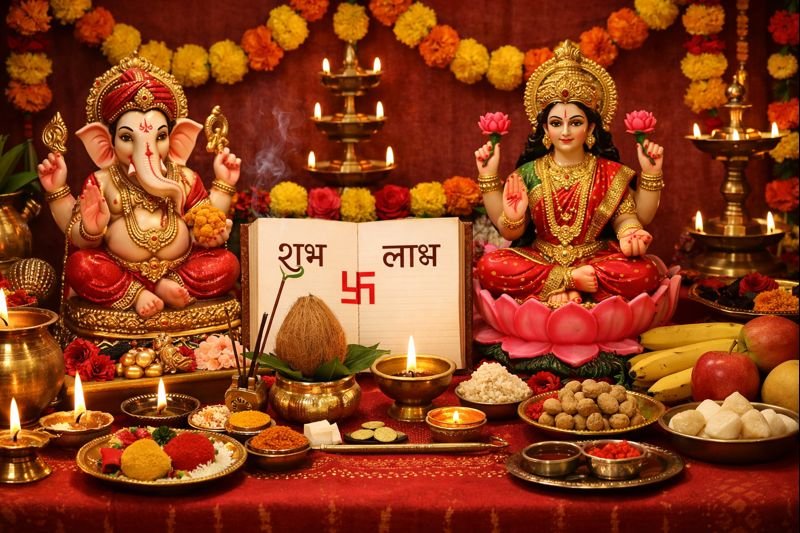
Labh Panchami, also known as Saubhagya Panchami or Gyaan Panchami, is a day dedicated to worshipping Goddess Lakshmi and Lord Ganesha. The term ‘Labh’ translates to ‘benefit’ or ‘gain’, symbolizing the pursuit of prosperity and success. On this day, devotees perform rituals to invite wealth and knowledge into their lives, making it an ideal time to start new ventures or reopen businesses after the Diwali break.
Essential Samagri (Puja Materials)
Gathering the appropriate items is important for conducting the Labh Panchami Puja Vidhi. Here’s a checklist of essential samagri:
- Idols or pictures of Lord Ganesha and Goddess Lakshmi
- New account ledger (Khatu)
- Flowers (preferably red marigolds and roses)
- Incense sticks (Agarbatti) and Dhoop
- Oil or ghee lamps (Diya)
- Kumkum (vermilion), Haldi (turmeric), and Sandalwood paste
- Rice grains (Akshat)
- Durva grass (for Ganesha)
- Fruits and sweets (like modak and laddus)
- Betel leaves and nuts
- Coconut and camphor
- Holy water (Gangajal)
- Books and pens (for optional Sharda Puja)
For a comprehensive list and details on each item, visit the Housivity Labh Panchami Guide.
Step-by-Step Labh Panchami Puja Vidhi
Follow these steps to perform the Labh Panchami Puja at home:
- Preparation: Wake up early, take a bath, and wear clean clothes (preferably red or yellow). Clean the puja area and place a red or yellow cloth on the altar.
- Idol Placement: Place the idols or pictures of Lord Ganesha and Goddess Lakshmi on the altar. Decorate with flowers and light the lamps.
- Invocation (Sankalp): Take a few drops of water in your right hand, close your eyes, and state your intention for performing the puja, seeking blessings for prosperity and knowledge.
- Ganesh Puja: Offer sandalwood paste, kumkum, durva grass, flowers, modak, and incense to Lord Ganesha. Chant Ganesh mantras.
- Lakshmi Puja: Offer red flowers, fruits, rice, sweets, and incense to Goddess Lakshmi. Chant Lakshmi mantras.
- Khatu Puja: If you’re a business owner, open a new account ledger. Draw a Swastika, write ‘Shubh’ on the left and ‘Labh’ on the right, place flowers and incense, and pray for a prosperous financial year.
- Sharda Puja (Optional): If you missed performing Sharda Puja during Diwali, worship Goddess Saraswati by placing books and pens on the altar, lighting a lamp, and chanting Saraswati mantras.
- Aarti and Prasad: Perform aarti for the deities and distribute sweets, fruits, and prasad to family and friends.
- Charity (Dana): Donate food, clothes, or money to the needy, improving the merits of the day.
- Conclusion: Offer gratitude to the deities, seek their blessings, and conclude the puja.
Tips and Best Practices
- Use a clean cloth beneath the idols to maintain sanctity.
- Keep spare samagri items ready, especially if conducting the puja with a group.
- For safety, especially around children or elders, consider using LED diyas or electric lights.
- Prepare a checklist or set reminders to ensure no step is missed during the puja.
Common Mistakes to Avoid
- Not adhering to the auspicious muhurat timings for the puja.
- Using unclean or inappropriate items for the rituals.
- Neglecting the importance of Sankalp (intention) before starting the puja.
- Forgetting to perform aarti or distribute prasad after the rituals.
Frequently Asked Questions (FAQs)
What is the significance of Labh Panchami?
Labh Panchami marks the end of Diwali festivities and is considered an auspicious day to seek blessings for wealth, success, and knowledge. It’s especially significant for business communities who reopen their accounts on this day.
Can I perform the Labh Panchami Puja at home?
Yes, the Labh Panchami Puja Vidhi can be performed at home with the appropriate samagri and by following the step-by-step rituals outlined above.
Is it necessary to perform Sharda Puja on Labh Panchami?
Sharda Puja, dedicated to Goddess Saraswati, is optional on Labh Panchami. It’s typically performed if it was missed during Diwali.
What should I do if I miss the auspicious muhurat?
If you miss the primary muhurat, you can perform the puja during the secondary window or consult a local priest for guidance on the next best time.
Can I conduct the puja virtually with family members?
Yes, you can conduct the Labh Panchami Puja virtually using platforms like Zoom or Google Meet. Ensure all participants have the necessary samagri and follow the rituals simultaneously.
Conclusion
Performing the Labh Panchami Puja Vidhi at home is a meaningful way to seek divine blessings for prosperity and knowledge. By gathering the essential samagri and following the step-by-step rituals, you can ensure a spiritually fulfilling experience. Remember to maintain cleanliness, adhere to the muhurat timings, and perform each step with devotion and sincerity.
For more detailed guidance and resources, you can visit the GaneshaSpeaks Labh Panchami Guide.