Mahalaya Amavasya Tharpanam 2022 Pooja Date & Time Guide
Contents
- 1 Mahalaya Amavasya Tharpanam 2022 Pooja Date And Time – Best Informational Guide
- 1.1 What Is Mahalaya Amavasya?
- 1.2 Exact Date And Time For Mahalaya Amavasya Tharpanam 2022
- 1.3 Significance Of Mahalaya Amavasya Tharpanam
- 1.4 Step-By-Step Mahalaya Amavasya Tharpanam Rituals
- 1.5 Important Tips For A Successful Mahalaya Amavasya Tharpanam
- 1.6 Common Mistakes To Avoid
- 1.7 Where To Perform Mahalaya Amavasya Tarpanam
- 1.8 Personal Observations And Experiences
- 1.9 Frequently Asked Questions (FAQs)
- 1.10 Conclusion
Mahalaya Amavasya Tharpanam 2022 Pooja Date And Time – Best Informational Guide
Mahalaya Amavasya Tharpanam 2022 refers to the auspicious day in the Hindu lunar calendar when Tarpanam, Shraddha and ancestral rites are performed for peace of departed souls. This sacred event in 2022 fell on Sunday, 25 September 2022, marking the culmination of the 15-day Mahalaya-Paksha period dedicated to the Pitru (ancestors). For more details, check the NSDL PAN.
What Is Mahalaya Amavasya?
Mahalaya Amavasya is the New Moon Day (Amavasya) that concludes the Krishna Paksha (waning phase) of the Bhadrapada month as per the Hindu lunar calendar. It is also known as Sarva Pitru Amavasya or Pitru Amavasya because it is the most significant day to honour and appease one’s ancestors through rites like Tharpanam and Shraddha.
On the other hand, this day is part of the larger period called Pitru Paksha, a 16-lunar day phase where Hindus pay homage to their forefathers, seeking their blessings and liberation (Moksha). Understanding Mahalaya Amavasya Tharpanam 2022 is essential.
Exact Date And Time For Mahalaya Amavasya Tharpanam 2022
| Event | Detail (IST) |
|---|---|
| Date | Sunday, 25 September 2022 |
| Amavasya Tithi Begins | 03:12 AM, 25 Sept 2022 |
| Amavasya Tithi Ends | 03:23 AM, 26 Sept 2022 |
| Kutup Muhurat | 12:07 PM – 12:55 PM |
| Rohina Muhurat | 12:55 PM – 01:44 PM |
| Aparahna Time | 01:44 PM – 04:08 PM |
All times are based on Hindu Panchang (lunisolar calendar) conversions to IST.
Why This Timing Matters
The Tithi and Muhurat determine the most auspicious periods to perform Tarpanam and Shraddha rites. Traditionally, these are done when the Amavasya Tithi is in force. Performing rites outside this period may reduce the spiritual efficacy according to Hindu Vedic views.
Significance Of Mahalaya Amavasya Tharpanam
For many Hindu families, Mahalaya Amavasya is a cornerstone spiritual observance. Ancestors are believed to visit the earthly area, and performing rites is thought to bring them peace, help dissolve karmic bonds (Pitru Dosha), and bring blessings to the living. This relates to Mahalaya Amavasya Tharpanam 2022.
Therefore, scriptural traditions hold that the benefits of performing Tarpanam on Mahalaya Amavasya are equivalent to or greater than performing the same rites on any of the preceding Shraddha days of Pitru Paksha.
Step-By-Step Mahalaya Amavasya Tharpanam Rituals
Below are the practical steps followed by practitioners based on Vedic and traditional sources. These steps are indicative and can vary slightly by community or family tradition.
1. Preparations Before The Day
- Select a clean and quiet space at home or near a sacred water body (riverbank, temple tank).
- Wear clean, traditional attire — plain white clothes are preferred for men; women may wear simple sarees or light coloured clothes.
- Prepare the ritual items: water in a vessel, black sesame seeds, kusa grass (if available), rice, flowers, fruits, and a cloth for offerings.
2. Morning Ritual (Before Sunrise)
Early morning at Brahma Muhurta (usually 1.5 to 2 hours before sunrise) is considered highly auspicious to begin the rites. Sit facing east or north, close your eyes and recite ancestral prayers (Pitru Vandana). I personally recommend performing this part at sunrise when energies felt in my experience were calmer and more focused. Learn more about Mahalaya Amavasya Tharpanam 2022.
3. Tharpanam (Water Offering)
Tarpanam is the act of offering water mixed with black sesame seeds while chanting specific mantras for each ancestor. The basic mantra (Pitru Tarpana Mantra) traditionally repeated is:
“Om Pitraaṇām Tarpaye …”
Offer the water with each utterance while thinking of departed forebears. One step many get wrong is rushing through the mantras – take your time to feel the intent. The sesame seeds are believed to attract ancestral presence in symbolic tradition.
4. Pinda Daan (Offering Of Rice Balls)
Pinda refers to cooked rice balls mixed with sesame seeds or black gram. Offer these on a banana leaf or in a clean plate near symbolic water. The offering to crows is considered traditional, as they are seen as messengers of ancestors in many Hindu beliefs.
5. Feeding Brahmins And Charity
Feeding Brahmins (if available) or donating food to the needy is considered highly meritorious. I noticed an emotional uplift in my community visit when elders shared meals with others, reinforcing the communal aspect of the rite.
6. Closing Prayers
End with gratitude and prayers for the well-being and liberation of all departed souls. You may chant hymns from the Garuda Purana or other sacred texts traditionally read on this day.
Important Tips For A Successful Mahalaya Amavasya Tharpanam
- Plan Ahead: Gather all items a day before to avoid last-minute rush.
- Ritual Cleanliness: Bath and wear fresh clothes before starting.
- Respect Timing: Perform the core rites during Amavasya Tithi and suitable Muhurat.
- Focus On Intent: Chant mantras calmly and clearly; intent matters more than speed.
- Ask A Priest If Unsure: For complex family lineages, a learned pandit can help maintain accuracy.
Common Mistakes To Avoid
- Ignoring The Muhurat: Performing rites outside the Tithi may reduce spiritual intent for traditional believers.
- Rushed Rituals: Many skip the prayers and do only symbolic actions — aim for heartfelt recitations.
- Using Incorrect Items: Avoid artificial substitutes for fruits or grains; use traditional ingredients where possible.
- Distractions: Keep mobile phones and loud sounds away during the ritual for focus and reverence.
Where To Perform Mahalaya Amavasya Tarpanam
Traditionally, Tarpanam can be done:
- At home in a clean prayer room facing east or north.
- On riverbanks, especially near sacred rivers like the Ganges or Godavari.
- At temple ghats or community puja spaces during organised events.
Personal Observations And Experiences
When I visited a riverbank community during Mahalaya Amavasya, the atmosphere was tranquil before sunrise — a mix of respectful silence and ritual echoes. What surprised me most was how, irrespective of age or background, participants focused their minds on memories of their ancestors, creating a powerful collective intent for peace and liberation.
I personally recommend performing at least the morning portion at dawn when environmental calmness aids focus and reflection.
Frequently Asked Questions (FAQs)
1. What Is The Difference Between Mahalaya And Mahalaya Amavasya?
Mahalaya refers to the entire Pitru Paksha period culminating in Mahalaya Amavasya, which is the specific New Moon day when the ancestral rites are most auspicious.
2. Can Tarpanam Be Done At Home?
Yes, Tarpanam can be done at home if you follow the ritual steps and maintain clean surroundings. Many households perform full rites at home with a traditional priest guiding them.
3. What If I Missed The Timing In 2022?
According to traditional guidance, if you were unable to perform rites on Mahalaya Amavasya, you can still perform Shraddha on other Pitru Paksha days or consult a priest for alternative dates.
4. Do I Need To Visit A Riverbank?
Visiting a riverbank is traditional and preferred in many regions, but not mandatory. Clean home spaces also qualify for the rites as long as intentions are sincere.
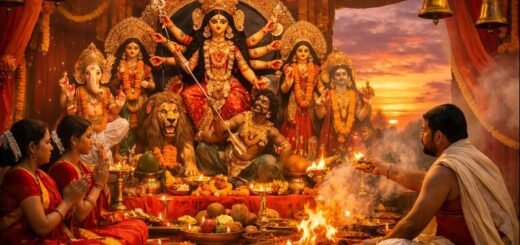
Traditionally, Mahalaya Amavasya precedes the start of Navratri, marking the transition from honoring ancestors to celebrating Goddess Durga’s arrival, especially in eastern India.
Conclusion
Mahalaya Amavasya Tharpanam 2022 was a deeply spiritual and culturally significant observance rooted in honoring ancestors, seeking their peace and blessings. With precise timing on 25 September 2022 and customary rites like Tarpanam, Pinda Daan and charity, devotees of Hindu heritage observe this day with reverence and devotion. Following the step-by-step ritual instructions and timing guidelines can help you honour this tradition meaningfully.