📖 11 min read · 2,069 words
Parivartini Ekadashi 2027 falls on Saturday, 11 September 2027 for most Indian locations, including standard New Delhi panchang calculations. The Ekadashi tithi begins on 10 September and ends on 11 September, while parana falls on Sunday, 12 September. Vaishnava followers should still confirm their local calendar because sunrise and Mahadvadashi rules can shift the observance in some places.

Prayanamam is an independent Hindu festival and pilgrimage guide. We are not affiliated with ISKCON, any temple, or any religious authority, and we do not accept bookings, donations, or payments.
Parivartini Ekadashi 2027 at a Glance
- Main observance date: Saturday, 11 September 2027.
- Ekadashi tithi begins: about 5:00 PM on Friday, 10 September 2027.
- Ekadashi tithi ends: about 7:35 PM on Saturday, 11 September 2027.
- Parana date: Sunday, 12 September 2027.
- New Delhi parana reference: about 6:04 AM to 8:33 AM on 12 September.
- Lunar month: Bhadrapada, Shukla Paksha.
- Other names: Parsva Ekadashi, Parshva Ekadashi, Vamana Ekadashi and Padma Ekadashi.
- Main deity: Lord Vishnu, especially Lord Vamanadeva in Vaishnava tradition.
Drik Panchang and AstroSage both place the main 2027 observance on 11 September. Their local calculations also agree that the fast is broken on 12 September for standard Indian locations. However, exact parana minutes change by city, so use a location-specific panchang before the fast.
Parivartini Ekadashi 2027 Date and Tithi Timings
Parivartini Ekadashi 2027 is observed on 11 September because Ekadashi tithi is present at sunrise that day across major Indian cities. New Delhi calculations place the tithi from about 5:01 PM on 10 September until about 7:37 PM on 11 September. Drik Panchang gives nearly identical timings.
| Event | 2027 date and timing | Planning note |
|---|---|---|
| Dashami preparation | 10 September, Friday | Take simple food and prepare for the fast. |
| Ekadashi tithi begins | About 5:00 PM, 10 September | Timing varies slightly by calculation source. |
| Ekadashi fasting day | 11 September, Saturday | Main date for most Indian locations. |
| Ekadashi tithi ends | About 7:35 PM, 11 September | The fast is not normally broken at this moment. |
| Parana | 12 September, Sunday | Break within the local Dwadashi window. |
For a New Delhi reference, AstroSage gives parana from about 6:04 AM to 8:33 AM on 12 September. That is useful for understanding the sequence, but it is not a universal India-wide time. Sunrise changes from city to city, so the permitted window changes too.
Check the Drik Panchang Parivartini Ekadashi page or a trusted local Vaishnava calendar before observing the vrat.
Vaishnava Ekadashi dates depend on more than the printed tithi start and end times. The tradition also considers the tithi around sunrise and the pre-dawn Arunodhaya period. Because of those rules, a Vaishnava observance can sometimes move to Dwadashi as a Mahadvadashi.
This matters in 2027. Drik Panchang’s ISKCON calendar lists Parshva Ekadashi on 11 September in many western and southern Indian locations. Yet its Bongaigaon, Assam calendar shifts the fast to 12 September as Vijaya Mahadvadashi. Therefore, devotees should not assume one city’s Vaishnava date applies everywhere.
For most readers in South India, 11 September is the practical reference date. Still, followers of ISKCON or another Vaishnava sampradaya should follow the calendar issued for their own temple or city.
What Is Parivartini or Parsva Ekadashi?
Parivartini Ekadashi is the Shukla Paksha Ekadashi of the Bhadrapada lunar month. It falls during Chaturmasya, the devotional four-month period associated with Lord Vishnu’s yogic rest. The name “Parivartini” refers to turning or changing position, while “Parsva” refers to the side.
Vaishnava tradition says Lord Vishnu turns to another side during His yogic sleep on this Ekadashi. The day is also closely linked with Lord Vamanadeva. ISKCON Bangalore’s account of Parshva Ekadashi connects the observance with Vamana, King Bali and the devotional theme of surrender.
These spiritual benefits and stories belong to Hindu religious tradition. They should be understood as matters of faith rather than scientific or medical claims.
Parivartini Ekadashi 2027 and Lord Vamana
Parivartini Ekadashi 2027 is also called Vamana Ekadashi because Vaishnava tradition gives special importance to Lord Vishnu’s Vamana avatar. The traditional story describes Vamana approaching King Bali and asking for three steps of land. He then reveals His vast form and covers the worlds with His steps.
King Bali’s surrender becomes the central devotional lesson. Instead of focusing only on ritual rewards, many devotees use the day to reflect on humility, self-control and surrender to Vishnu. ISKCON Bangalore specifically identifies Vamanadeva as the worshipable form for Parshva Ekadashi.
Vamana Dwadashi follows the Ekadashi observance in many Vaishnava calendars. In 2027, that falls on 12 September in many Indian locations, which is also the day for parana.
How to Observe Parivartini Ekadashi 2027
Parivartini Ekadashi 2027 can be observed with fasting, Vishnu worship, mantra chanting and devotional reading. The exact level of fasting depends on health, age and family tradition. A strict nirjala fast is not required for everyone.
- Prepare on Dashami: eat simple sattvic food on 10 September and avoid overeating late at night.
- Take a sankalpa: after bathing on 11 September, make a simple intention to observe the vrat with devotion.
- Avoid grains and beans: this is a common Vaishnava Ekadashi rule.
- Worship Lord Vishnu: offer flowers, tulsi where your tradition permits, a lamp and suitable naivedya.
- Chant or read: recite Vishnu names, the Hare Krishna maha-mantra or Vishnu Sahasranama.
- Keep the day calm: reduce unnecessary entertainment and focus on prayer, japa, bhajan or scripture.
- Perform parana correctly: break the fast on 12 September within the permitted local window.
If you are new to Ekadashi fasting, the Vaikunta Ekadasi fasting procedure on Prayanamam explains the same basic preparation, fasting and parana sequence.
Simple Parivartini Ekadashi Puja at Home
A home puja does not need to be elaborate. Clean the prayer area, bathe and wear clean clothes. Then place an image or murti of Lord Vishnu, Krishna or Vamanadeva in the worship space according to your family practice.
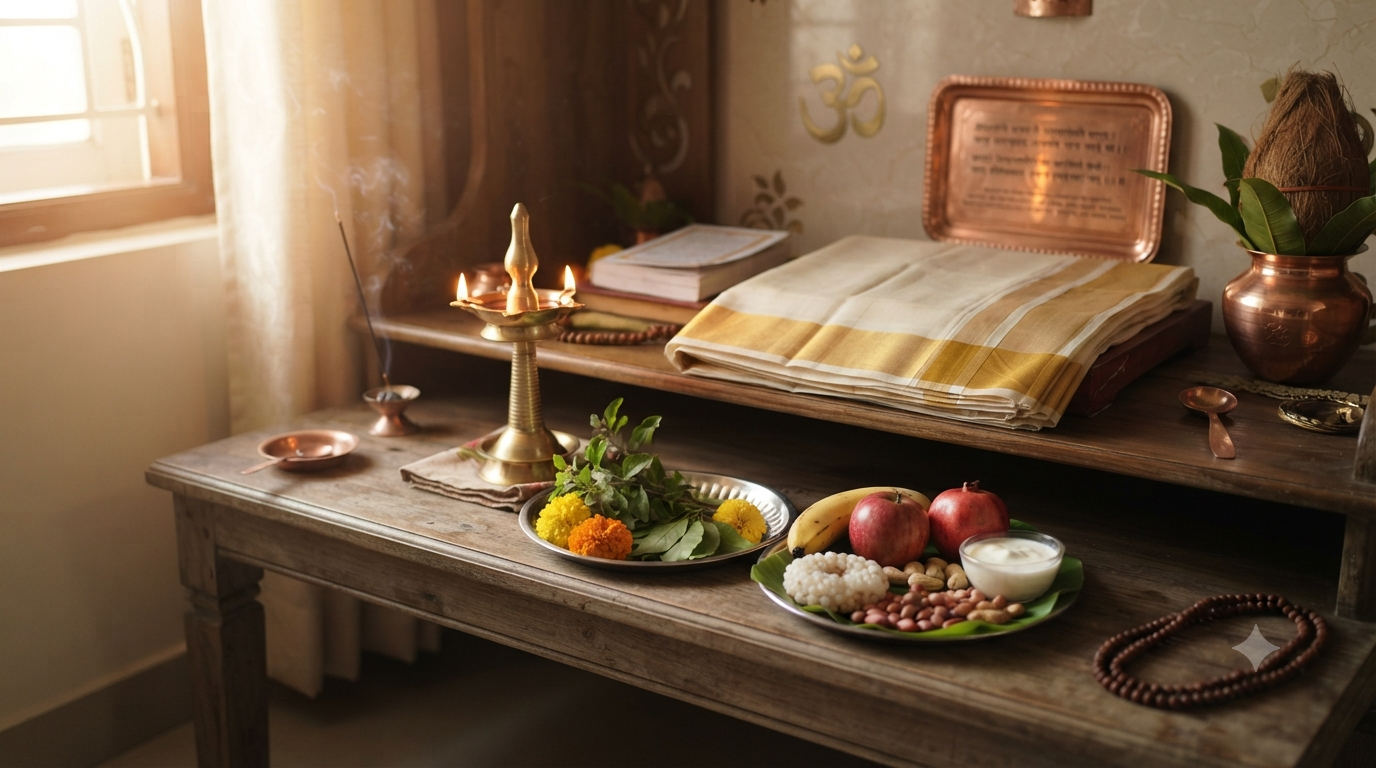
Light a lamp and offer flowers. Devotees commonly offer tulsi leaves to Vishnu where their tradition permits. Fruit, milk or another Ekadashi-compatible preparation may be offered as naivedya.
After the offering, chant a Vishnu mantra or read a devotional text. The focus should remain on bhakti rather than on performing every possible ritual step. Families with an established sampradaya should follow their own acharya or temple tradition first.
Mantras commonly chanted on the day
- Om Namo Bhagavate Vasudevaya
- Om Namo Narayanaya
- Hare Krishna, Hare Krishna, Krishna Krishna, Hare Hare; Hare Rama, Hare Rama, Rama Rama, Hare Hare
What to Eat During Parivartini Ekadashi 2027
Parivartini Ekadashi 2027 fasting usually excludes grains, cereals and beans in Vaishnava practice. ISKCON Bangalore also advises avoiding ingredients that may contain hidden grain products. Depending on family custom, devotees may take fruit, milk, nuts, roots and selected non-grain foods.
Sabudana, potato, sweet potato and certain nuts are common fasting foods in many Indian homes. However, local traditions differ on items such as buckwheat, sama rice, spices and processed foods. When in doubt, follow your temple’s Ekadashi food list rather than a generic internet list.
A person who cannot fast fully may choose a lighter observance. Devotion and health should both guide the decision.
Health and Safety During Ekadashi Fasting
Do not begin a waterless fast simply because another devotee follows one. Nirjala fasting can be physically demanding, especially in hot weather. Children, older adults, pregnant or breastfeeding people and anyone with a medical condition should use extra care.
People with diabetes, kidney disease, heart conditions or medicines that must be taken with food should seek medical advice before strict fasting. A modified fast, simple vegetarian diet or prayer-focused observance may be safer. Religious practice should never replace medical care.
Hydration also matters when water is permitted. If you feel faint, confused or seriously unwell, stop the fast and seek appropriate help.
Parivartini Ekadashi 2027 Parana Rules
Parivartini Ekadashi 2027 parana falls on Sunday, 12 September for the standard 11 September fast. Parana means formally ending the Ekadashi fast on Dwadashi. It should be performed after sunrise within the permitted window for the observer’s location.
Vaishnava calendars may also account for Hari Vasara, the first quarter of Dwadashi. Therefore, the safest method is to use the same local calendar for both the fasting date and parana. Do not take the fasting date from one city and the parana time from another.
Start gently after a long fast. Water, fruit or light prasadam can be easier than a heavy meal. ISKCON Bangalore notes that Ekadashi fasting is broken the next day after sunrise.
Common Mistakes That Cause Ekadashi Date Confusion
- Using last year’s date: lunar festivals do not repeat on the same Gregorian date each year.
- Copying one city’s parana time: sunrise-based windows change with location.
- Mixing Smarta and Vaishnava calendars: the two traditions can produce different fasting dates.
- Ignoring Mahadvadashi: special Vaishnava rules can move the fast to Dwadashi in some locations.
- Breaking the fast when Ekadashi tithi ends: parana is normally performed the following morning.
- Assuming nirjala is compulsory: fasting level should reflect health and tradition.
The biggest planning lesson is simple. Choose one reliable calendar for your city and sampradaya, then use it from Dashami through parana. Mixing sources creates most of the timing errors seen in recycled festival articles.
How 2027 Differs from the Previous Year
The date changes sharply from the previous cycle. Parshva Ekadashi fell on 22 September in 2026 for standard Vaishnava calendars, while Parivartini Ekadashi 2027 moves to 11 September. That is an eleven-day Gregorian shift, which is normal for a lunar festival.
This is why an old year-specific article should never be reused by changing only the year in the headline. The tithi, weekday, parana window and possible Vaishnava exceptions must all be recalculated for the new year.
Related Ekadashi Guides on Prayanamam
For a broader fasting explanation, see Prayanamam’s Vaikunta Ekadasi fasting guide. Readers comparing major Vishnu observances can also check the Mukkoti Ekadasi guide.
These pages explain related fasting customs, but their old dated examples should not be used as current panchang data. Always confirm the year-specific date before planning a vrat.
Parivartini Ekadashi 2027: Final Takeaway
Parivartini Ekadashi 2027 falls on Saturday, 11 September for most Indian locations, with parana on Sunday, 12 September. The tithi runs from the evening of 10 September into the evening of 11 September. New Delhi’s parana reference is roughly 6:04 AM to 8:33 AM.
Vaishnava devotees should still check a local calendar because Mahadvadashi rules can create regional exceptions. Once the date is confirmed, keep the observance simple: avoid prohibited foods, worship Lord Vishnu, chant or read, and perform parana at the correct local time.
Frequently Asked Questions
When is Parivartini Ekadashi 2027?
Parivartini Ekadashi 2027 falls on Saturday, 11 September 2027 for most Indian locations. Both Drik Panchang and AstroSage list this date. Vaishnava followers should still confirm their local temple calendar because special Mahadvadashi rules may shift the fast in some places.
What are the Ekadashi tithi timings in 2027?
The Ekadashi tithi begins at about 5:00 PM on 10 September and ends at about 7:35 PM on 11 September 2027. Small minute-level differences appear between panchang calculations, so use the timing for your city when precision matters.
When is parana for Parivartini Ekadashi 2027?
Parana is on Sunday, 12 September 2027 for devotees fasting on 11 September. AstroSage gives about 6:04 AM to 8:33 AM for New Delhi. Other cities will have different sunrise-based windows.
Is Parsva Ekadashi the same as Parivartini Ekadashi?
Yes. Parsva or Parshva Ekadashi is widely known as Parivartini Ekadashi. It is also called Vamana Ekadashi and Padma Ekadashi in different traditions because of its connection with Lord Vishnu and Vamanadeva.
Yes. Vaishnava calendars use sunrise, Arunodhaya and special Mahadvadashi rules, so the fasting day can differ by location. In 2027, some northeastern Indian calculations shift the Vaishnava fast to 12 September even though most Indian locations observe it on 11 September.
Which form of Lord Vishnu is worshipped?
Lord Vamanadeva receives special worship on Parshva Ekadashi in Vaishnava tradition. Devotees may also worship Narayana, Krishna or another Vishnu form according to their established family or temple practice.
What food should be avoided on Ekadashi?
Vaishnava practice generally avoids grains, cereals and beans. Many devotees also avoid onion and garlic. Exact permitted foods differ by tradition, so follow the list used by your temple or family.
Is nirjala fasting compulsory?
No. A complete waterless fast is an austere option and is not suitable for everyone. People with health risks should choose a safer form of observance and seek medical advice when needed.
Why does the date change every year?
Ekadashi follows the Hindu lunar calendar rather than a fixed Gregorian date. Therefore, Parsva Ekadashi can move by many days from one Gregorian year to the next. Each year’s tithi and sunrise conditions must be calculated separately.